10 Safest Countries for First-Time Solo Travelers
These 10 countries combine strong tourism infrastructure, reliable transportation, and manageable travel conditions for new solo travelers.
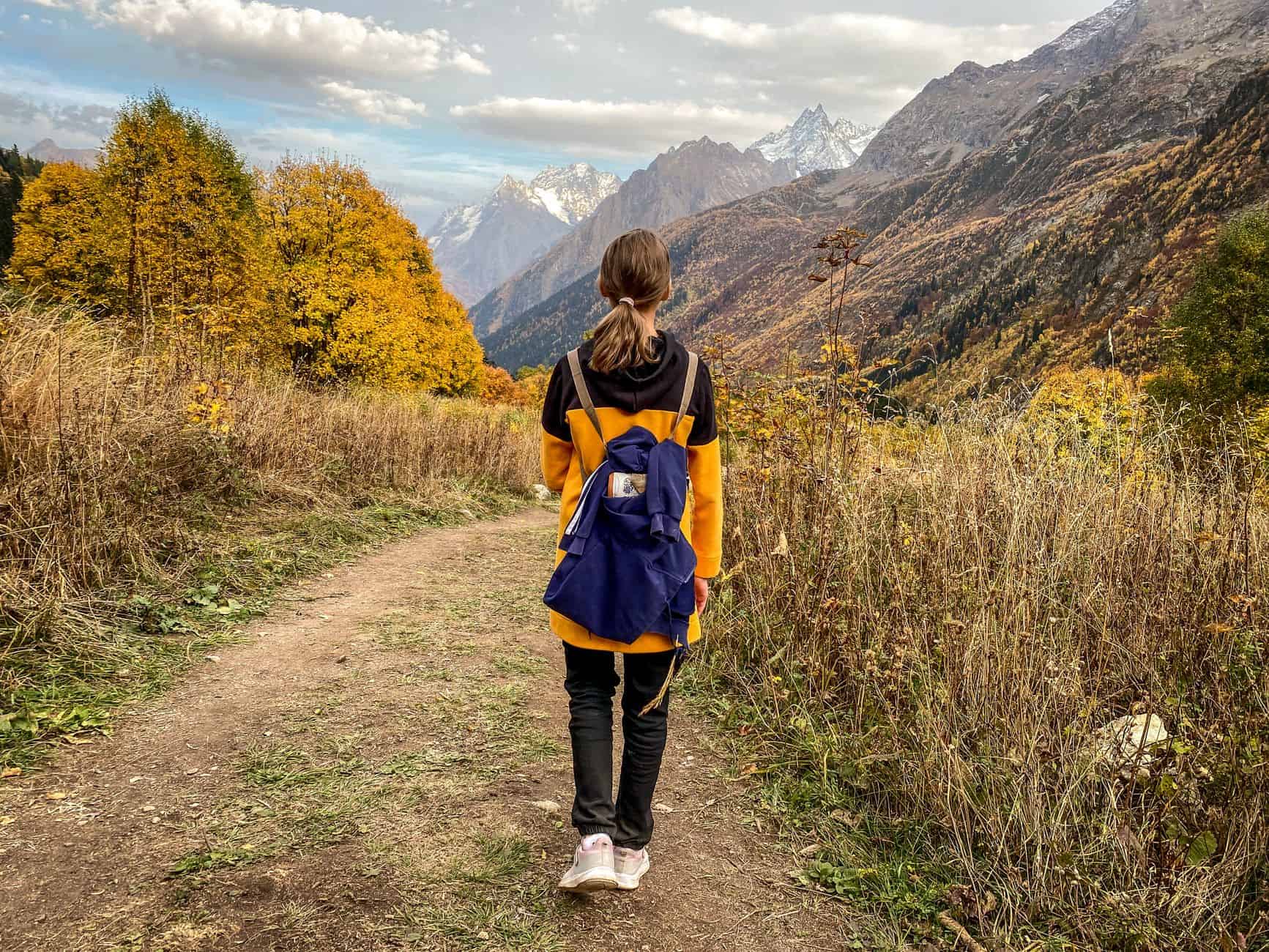
Photo by Анастасия Кондратова on Pexels
Why Safety Matters When You Travel Alone
Traveling solo for the first time means navigating unfamiliar places without a companion to watch your belongings, split a taxi, or help if something goes wrong. That independence is part of the appeal, but it also means you need to choose your destination carefully. The safest countries for solo travelers combine low crime rates, reliable public transportation, strong tourist infrastructure, and a welcoming attitude toward visitors traveling alone.
This ranking uses current U.S. State Department travel advisories, Global Peace Index data, transportation safety records, and traveler feedback to identify countries where first-time solo travelers can move around confidently. No destination is entirely risk-free, but these countries offer the infrastructure, stability, and accessibility that make solo travel more manageable.
How These Countries Were Ranked
Each country on this list meets specific safety criteria that matter to solo travelers. Low crime rates, particularly violent crime and theft targeting tourists, were prioritized. Reliable public transportation reduces the need to navigate unfamiliar taxi services or rental cars. Strong healthcare systems and widespread English proficiency make it easier to handle emergencies or ask for help.
Countries with a Level 1 or Level 2 travel advisory from the U.S. State Department were given preference, though localized risks within otherwise safe countries are noted. Tourism infrastructure, including clear signage, accessible accommodations, and tourist-friendly services, also factored into the ranking. Cultural attitudes toward solo travelers, particularly women traveling alone, influenced placement on the list.
1. Iceland
Iceland consistently ranks as one of the safest countries in the world. Violent crime is rare, and theft targeting tourists is uncommon. The country’s small population and strong social systems contribute to a stable, low-risk environment. Public transportation is reliable, and most Icelanders speak English fluently.
Solo travelers appreciate Iceland’s ease of navigation. Rental cars are common, and driving is straightforward, though weather conditions can change quickly. Popular tourist routes, including the Golden Circle and Ring Road, are well-marked and heavily traveled. Reykjavik offers a compact, walkable city center with a range of accommodations suited to solo budgets.
Iceland’s remoteness and weather require preparation. Daylight hours vary dramatically by season, and winter conditions can limit access to certain regions. Costs are high, so budget-conscious travelers should plan accordingly.
2. Japan
Japan offers an exceptionally safe environment for solo travelers. Crime rates are low, and lost items are often returned. Public transportation, including trains and buses, is punctual, efficient, and easy to navigate with English signage in major cities. Japan’s cultural emphasis on respect and order creates a predictable, low-stress travel experience.
Solo travelers benefit from Japan’s extensive tourism infrastructure. Capsule hotels and budget accommodations cater to solo guests, and dining alone is socially acceptable. Major cities like Tokyo, Kyoto, and Osaka are easy to explore independently, and rural areas remain accessible with some planning.
Language barriers exist outside major tourist areas, but translation apps and helpful locals make communication manageable. Japan’s cultural norms around personal space and politeness can feel unfamiliar, but they generally work in favor of solo travelers seeking a respectful, orderly environment.
3. Switzerland
Switzerland’s combination of safety, infrastructure, and natural beauty makes it ideal for first-time solo travelers. Crime rates are low, and public spaces feel secure. The country’s extensive train and bus network is reliable, punctual, and connects even remote mountain villages. English is widely spoken, particularly in tourism-heavy regions.
Solo travelers appreciate Switzerland’s walkable cities, well-maintained hiking trails, and clear signage. Zurich, Geneva, and Lucerne offer cultural attractions and easy access to alpine regions. Solo dining and travel are normalized, and accommodations range from hostels to luxury hotels.
Switzerland is expensive. Budget travelers need to plan for high costs in dining, lodging, and transportation. However, the country’s safety and ease of travel justify the expense for many first-time solo visitors.
4. New Zealand
New Zealand combines low crime rates with a culture that embraces independent travel. Violent crime is rare, and tourists are generally treated with respect. Public transportation is limited outside major cities, but rental cars are affordable and roads are well-maintained. English is the primary language, eliminating communication barriers.
Solo travelers are drawn to New Zealand’s outdoor activities, including hiking, kayaking, and scenic drives. The country’s tourism infrastructure is designed for independent visitors, with abundant hostels, campsites, and tour operators catering to solo guests. Auckland, Wellington, and Queenstown offer urban amenities, while rural areas provide access to fjords, mountains, and beaches.
New Zealand’s remoteness means limited access to some regions without a car. Adventure activities carry inherent risks, and travelers should assess their comfort level with outdoor challenges. Weather can change rapidly, particularly in mountainous areas.
5. Portugal
Portugal ranks as one of Europe’s safest countries, with low violent crime rates and a welcoming attitude toward tourists. Pickpocketing occurs in Lisbon and Porto, particularly in crowded tourist areas, but violent crime targeting visitors is rare. Public transportation is affordable and reliable, and English is widely spoken in cities and tourist regions.
Solo travelers appreciate Portugal’s walkable cities, accessible public transit, and affordable accommodations. Lisbon and Porto offer cultural attractions, nightlife, and solo-friendly dining. Coastal towns like Lagos and Cascais provide beach access and a relaxed pace. Portugal’s growing popularity among digital nomads has increased the availability of coworking spaces and social events for solo visitors.
Stay vigilant in crowded areas and avoid displaying valuables. Portugal’s hilly terrain in cities like Lisbon requires comfortable walking shoes and stamina.
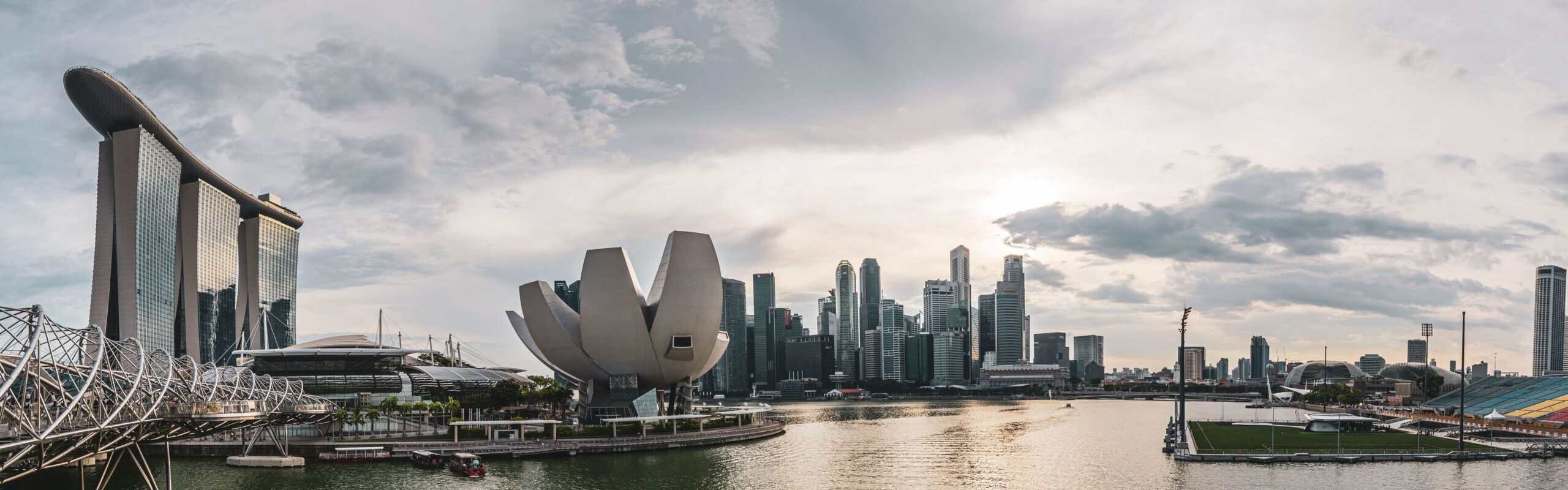
6. Singapore
Singapore’s strict laws and efficient governance create one of the world’s safest urban environments. Violent crime is rare, and petty theft is uncommon. Public transportation, including the MRT and buses, is clean, affordable, and easy to navigate. English is an official language, and most signage is multilingual.
Solo travelers benefit from Singapore’s compact size and well-organized infrastructure. The city-state is easy to explore on foot or by transit, and dining alone is common. Accommodations range from budget hostels to luxury hotels, and food courts offer affordable meals. Singapore’s cultural diversity provides access to a range of cuisines and experiences.
Singapore’s strict laws, including fines for littering and chewing gum bans, require awareness. Costs are higher than in neighboring Southeast Asian countries, though budget options exist. The tropical climate is hot and humid year-round.
7. Canada
Canada offers a safe, welcoming environment for solo travelers. Crime rates are low, particularly in smaller cities and rural areas. Public transportation is reliable in major cities like Toronto, Vancouver, and Montreal, though a car is useful for exploring remote regions. English and French are widely spoken, depending on the province.
Solo travelers appreciate Canada’s natural beauty, including national parks, coastal scenery, and vibrant cities. Tourism infrastructure is strong, with abundant accommodations and tour operators. Canadians are generally friendly and helpful toward visitors, making solo navigation easier.
Canada’s size means long travel distances between destinations. Winter weather can be harsh, particularly in northern and prairie regions. Costs are moderate to high, depending on the city and season.
8. Austria
Austria combines low crime rates with excellent public transportation and cultural attractions. Violent crime is rare, and tourists are generally safe in cities and rural areas. Vienna, Salzburg, and Innsbruck offer reliable transit systems, English-speaking locals, and walkable city centers.
Solo travelers enjoy Austria’s mix of urban culture and alpine scenery. Museums, classical music venues, and historic sites are accessible and solo-friendly. Austria’s location in central Europe makes it easy to combine with visits to neighboring countries. Accommodations range from hostels to boutique hotels.
Austria is more expensive than Eastern European neighbors, though still affordable compared to Switzerland. Smaller towns and rural areas may have limited English, but translation apps help bridge the gap.
9. Denmark
Denmark ranks consistently as one of the world’s safest countries. Crime rates are low, and public spaces feel secure. Copenhagen’s bike-friendly infrastructure and efficient public transit make solo navigation easy. English is widely spoken, and Danes are generally helpful toward tourists.
Solo travelers appreciate Denmark’s hygge culture, which emphasizes coziness and community. Copenhagen offers museums, parks, and dining suitable for solo visitors. Beyond the capital, smaller towns and coastal areas provide quieter, scenic alternatives.
Denmark is expensive, particularly for dining and accommodations. Weather can be cold and rainy, even in summer. However, the country’s safety and ease of travel make it a strong choice for first-time solo visitors.
10. Slovenia
Slovenia offers safety, affordability, and accessibility for solo travelers. Crime rates are low, and tourists are rarely targeted. Public transportation connects major cities and tourist destinations, though a car is useful for exploring rural areas. English is commonly spoken in tourist regions.
Solo travelers are drawn to Slovenia’s natural beauty, including Lake Bled, Triglav National Park, and the Julian Alps. Ljubljana, the capital, is compact and walkable, with a relaxed pace and affordable accommodations. Slovenia’s location allows easy access to Italy, Austria, and Croatia.
Slovenia is less crowded than Western European destinations, which can mean fewer English-speaking services in remote areas. However, the country’s small size and strong tourism infrastructure make it manageable for first-time solo travelers.
Book Accommodations Before You Arrive
Solo travelers benefit from booking accommodations in advance, particularly in unfamiliar destinations. Arriving without a reservation can leave you vulnerable to scams or unsafe lodging. Research neighborhoods beforehand, read recent reviews, and confirm check-in procedures to avoid confusion after a long flight.
The World Is Full of Wonders. Go Find Them.
Your Daily Dose of Wonder.
Everyday a new quiz, tip or destination to inspire you. Challenge your friends and grow your knowledge.