12 Fun European Vacations That Aren’t Overrun by Tourists
Explore 12 rewarding European destinations offering memorable culture, scenery, and experiences without the continent’s largest crowds.
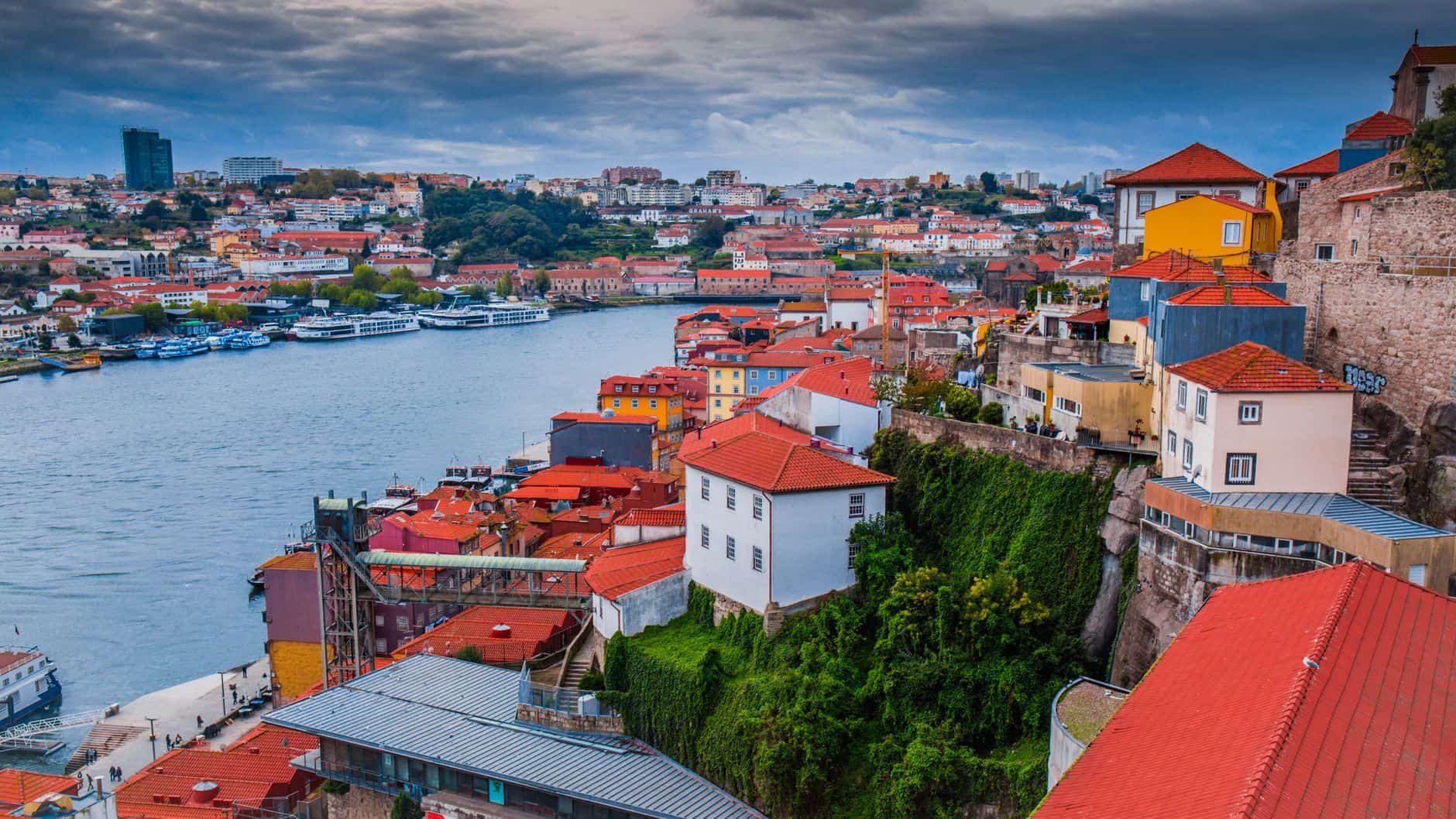
Photo by Iftekharul Jebal on Pexels
European Destinations Worth the Trip Without the Crowds
Europe’s most famous destinations deliver incredible experiences, but the crowds, high prices, and long lines can drain the enjoyment out of a trip. If you want the culture, scenery, and food that make European travel worthwhile without fighting through masses of tourists, you have better options. These 12 uncrowded European vacation destinations offer strong travel experiences with far fewer visitors than the continent’s most popular cities and regions.
1. Porto, Portugal
Porto delivers the charm, history, and coastal beauty that draw travelers to Lisbon, but with a more manageable pace and smaller crowds. The city sits along the Douro River and offers colorful tiled buildings, medieval streets, port wine cellars, and accessible day trips to the Douro Valley. You can walk across the Dom Luís I Bridge, explore the Ribeira district, and visit wine lodges in Vila Nova de Gaia without the constant crush of tourists.
Porto works well for travelers who want a European city experience with strong food and wine culture, walkable neighborhoods, and easy access to river and coastal scenery. The city sees significantly fewer visitors than Lisbon, especially outside summer months. Direct flights from major European cities make access straightforward, and accommodations cost less than in Portugal’s capital.
2. Ljubljana, Slovenia
Ljubljana offers a compact, walkable city center with a castle, riverside cafes, art nouveau architecture, and a relaxed atmosphere that feels more accessible than Prague or Vienna. The city sits between the Alps and the Adriatic, making it a natural base for day trips to Lake Bled, the Julian Alps, and the Karst wine region. The old town is largely car-free, and the scale of the city makes it easy to cover on foot or by bike.
This destination suits travelers who want Central European architecture and cafe culture without the intensity of larger capitals. Ljubljana remains far less crowded than similar cities, and English is widely spoken. The city is small enough to explore in two to three days, but it also serves as a strong regional base. Public transportation connects easily to Austria, Italy, and Croatia.
3. Ghent, Belgium
Ghent has the canals, medieval architecture, and Belgian food culture that make Bruges popular, but it feels less like a preserved tourist attraction and more like a functioning city. You can visit the Gravensteen castle, see the Ghent Altarpiece at Saint Bavo’s Cathedral, walk along the Graslei waterfront, and eat well without navigating the same level of tourist infrastructure that dominates Bruges.
Ghent works for travelers who want medieval Flemish architecture and Belgian specialties without the souvenir shops and tour groups. The city has a university population that keeps it lively year-round, and it sits close enough to Brussels and Bruges for easy day trips. Accommodations and meals cost less than in Bruges, and the city feels more lived-in and less staged.
4. The Azores, Portugal
The Azores archipelago offers volcanic landscapes, hot springs, whale watching, hiking, and coastal scenery in the middle of the Atlantic. The islands remain far less developed for tourism than Madeira or the Canary Islands, and they attract fewer visitors despite offering dramatic crater lakes, lush green hills, and geothermal pools. São Miguel is the largest and most accessible island, with direct flights from Lisbon and several European cities.
The Azores suit travelers who want outdoor activity, natural beauty, and a slower pace without the crowds of southern Europe’s island destinations. The weather can be unpredictable, and you need a rental car to explore most islands effectively. The infrastructure is improving but still limited compared with more established island destinations. You will not find luxury resorts or nightlife, but you will find excellent hiking, coastal walks, and genuine local food culture.
5. Tallinn, Estonia
Tallinn has a medieval old town, Baltic Sea views, and a compact city center that rivals Prague or Krakow for visual appeal, but it draws far fewer visitors. The walled old town includes cobblestone streets, Gothic spires, and well-preserved merchant houses. Beyond the historic center, you can explore the Kadriorg Palace, the Seaplane Harbour museum, and the Kalamaja neighborhood, which has a younger, creative energy.
Tallinn works for travelers who want a European old town experience with Baltic history and culture. The city is small enough to explore in two to three days, and it pairs well with visits to Riga or Helsinki. Summer brings the best weather and long daylight hours, but the city remains far less crowded than Central Europe’s most visited medieval cities. English is widely spoken, and prices remain lower than in Scandinavia or Western Europe.
6. Lecce, Italy
Lecce sits in the heel of Italy’s boot and offers baroque architecture, excellent food, and access to Puglia’s beaches and countryside without the tourist density of Tuscany or the Amalfi Coast. The city is known for its ornate limestone buildings, outdoor markets, and strong regional cuisine that includes orecchiette, burrata, and seafood. You can use Lecce as a base to explore the trulli houses of Alberobello, the white town of Ostuni, and the beaches along the Adriatic and Ionian coasts.
Lecce suits travelers who want Italian culture, architecture, and food in a less crowded southern setting. The city remains accessible by train from major Italian cities, though travel times are longer than to more central destinations. Summer brings heat and more visitors, but the city never reaches the saturation levels of Florence or Venice. Rental cars make exploring the surrounding region easier.
7. The Faroe Islands
The Faroe Islands deliver dramatic coastal cliffs, green valleys, waterfalls, and hiking trails in a remote North Atlantic setting that sees a fraction of the visitors Iceland attracts. The 18 islands are connected by tunnels, ferries, and bridges, and the small population means you will often have trails and viewpoints to yourself. Tórshavn, the capital, is tiny but functional, with good restaurants and accommodations.
The Faroe Islands work for travelers who prioritize natural landscapes, hiking, and solitude over convenience and predictable weather. The weather changes quickly, and rain is common year-round. You need a rental car to explore effectively, and infrastructure is limited compared with Iceland. The islands are not cheap, but they remain far less crowded and commercialized. Direct flights from Copenhagen make access straightforward.
8. Mostar, Bosnia and Herzegovina
Mostar offers Ottoman architecture, a famous stone bridge, riverside cafes, and a complex recent history in a compact setting that draws far fewer visitors than Dubrovnik, just two hours away. The Stari Most bridge, destroyed in 1993 and rebuilt in 2004, is the city’s focal point, and the old town has mosques, bazaars, and traditional restaurants. You can also visit nearby waterfalls, the Blagaj Tekke monastery, and the medieval town of Počitelj.
Mostar suits travelers interested in Balkan history, Ottoman heritage, and cultural complexity. The city is small and can be explored in a day, but staying overnight allows you to experience the old town after day-trippers leave. English is less widely spoken than in coastal Croatia, and the tourism infrastructure is less developed. The destination pairs well with visits to Sarajevo, Split, or Dubrovnik.
9. Ronda, Spain
Ronda sits atop a deep gorge in Andalusia and offers dramatic views, historic bullfighting culture, and white-washed architecture without the crowds that fill Granada and Seville. The Puente Nuevo bridge spans the El Tajo gorge, and the old town includes Moorish baths, palaces, and winding streets. The surrounding countryside has hiking trails, vineyards, and access to the pueblos blancos, Andalusia’s white hill towns.
Ronda works for travelers who want dramatic Spanish scenery and Andalusian culture with fewer tourists. The town is accessible by train or bus from Málaga, Seville, and Granada, making it a natural stop on a southern Spain itinerary. Day-trippers from the Costa del Sol visit during peak hours, but staying overnight allows you to explore the town more calmly. The town is small, and one to two days is sufficient for most visitors.
10. The Albanian Riviera
The Albanian Riviera offers Mediterranean beaches, clear water, coastal villages, and mountain scenery at a fraction of the cost and tourist density of Greece or Croatia. Towns like Himara, Dhërmi, and Ksamil provide beach access, seafood restaurants, and simple accommodations. The road from Sarandë to Vlorë follows the coast and offers dramatic views. You can also visit the ancient ruins of Butrint, a UNESCO World Heritage Site.
The Albanian Riviera suits budget-conscious travelers who want beach time and coastal scenery without the infrastructure or crowds of more developed Mediterranean destinations. Roads are improving but still require careful driving, and tourism services are more basic than in neighboring countries. English is less commonly spoken, especially outside major towns. The area is best visited from late spring through early fall, and a rental car makes exploration easier.
11. The Dolomites, Italy
The Dolomites provide alpine hiking, dramatic limestone peaks, and mountain villages with far less crowding than the Swiss Alps, especially outside the winter ski season. Towns like Ortisei, Cortina d’Ampezzo, and Canazei serve as bases for hiking, climbing, and scenic drives. The Alta Via trails offer multi-day trekking routes, and the region includes rifugios (mountain huts) for overnight stays. The Sella Ronda driving loop connects several valleys and provides access to viewpoints and trailheads.
The Dolomites work for travelers who want mountain scenery and outdoor activity without the expense and tourist saturation of Switzerland or Austria. The region is accessible by car from Verona, Innsbruck, or Venice, and public buses connect major towns. Summer and early fall offer the best hiking conditions, though some trails remain accessible into October. Winter brings skiing, but the region becomes more crowded and expensive during ski season.
12. Riga, Latvia
Riga combines art nouveau architecture, a medieval old town, Baltic Sea access, and a lively food and market culture in a city that draws far fewer tourists than Prague or Budapest. The Central Market, housed in former Zeppelin hangars, is one of Europe’s largest, and the art nouveau district contains over 800 buildings from the early 20th century. The old town includes guild halls, churches, and cobblestone squares, and the city has a growing restaurant and bar scene.
Riga suits travelers who want European architecture and culture with Baltic character and lower costs. The city is accessible by direct flights from major European cities and pairs well with visits to Tallinn or Vilnius. Summer brings the warmest weather and long daylight, but spring and fall offer fewer tourists and comfortable temperatures. English is widely spoken, and the city is compact enough to explore on foot.
Plan Around Shoulder Season for Even Fewer Crowds
If you visit these destinations during late spring or early fall instead of peak summer months, you will encounter even fewer tourists, lower prices, and more comfortable weather in most cases. Book accommodations in advance for popular weekends, but expect far more availability than you would find in Europe’s most visited cities.

The World Is Full of Wonders. Go Find Them.

Your Daily Dose of Wonder.
Everyday a new quiz, tip or destination to inspire you. Challenge your friends and grow your knowledge.