12 Most Beautiful Train Journeys in Europe Worth Planning Around
These European train journeys pair unforgettable scenery with remarkable destinations, from Alpine routes to dramatic coastal railways.
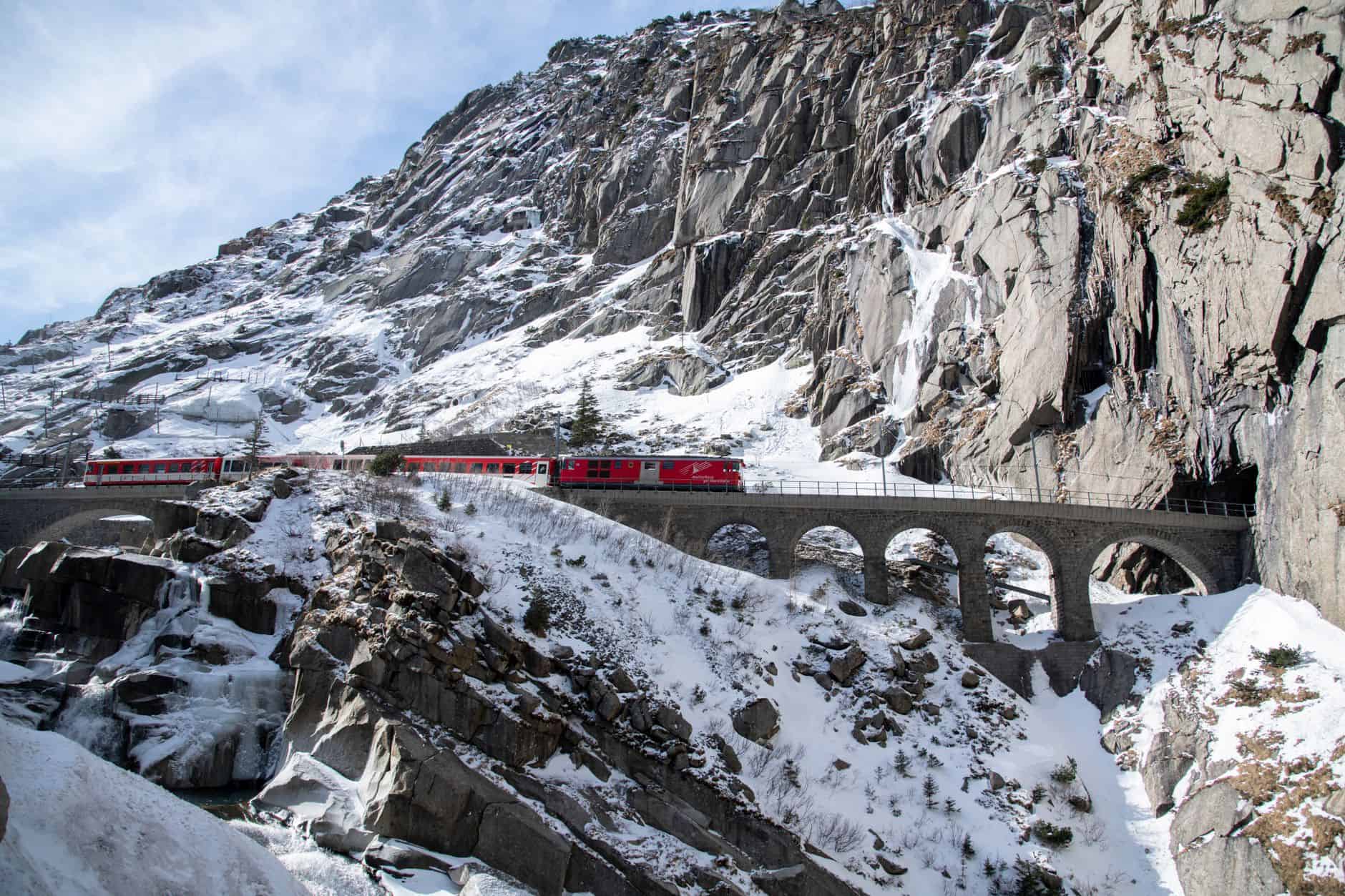
Photo by Ewa Schab on Pexels
Why Europe’s Rail Routes Remain Unmatched for Scenic Travel
Europe’s train network connects some of the continent’s most dramatic landscapes, from Alpine valleys to coastal cliffs, in ways that roads and flights simply can’t match. These journeys put you directly in front of scenery that shifts by the mile, turning what could be ordinary transit into something worth remembering. Whether you’re drawn to mountain panoramas, historic rail engineering, or access to hard-to-reach places, these 12 routes deliver memorable experiences with practical connections worth building a trip around.
The Glacier Express: Zermatt to St. Moritz, Switzerland
This eight-hour journey crosses 291 bridges and passes through 91 tunnels as it winds through the Swiss Alps, connecting two of Switzerland’s most celebrated mountain towns. The route climbs over the Oberalp Pass at 6,670 feet, with glaciers, gorges, and alpine meadows visible through panoramic windows. Travel between late spring and early autumn for the clearest views, though winter brings its own snow-covered drama.
Reservations are required year-round. Book directly through Glacier Express, or if you have a Swiss Travel Pass, reserve your seat assignment separately. Expect higher prices during peak summer months.
The Bernina Express: Chur to Tirano, Switzerland to Italy
The Bernina Express descends from the Swiss Alps into Italy’s Valtellina Valley in four hours, crossing the Bernina Pass without tunnels or cog mechanisms despite the steep gradients. The route includes the spiral Brusio Viaduct and views of the Morteratsch Glacier before you arrive in palm-lined Tirano.
The journey operates year-round, with panoramic coaches available from May through October. Winter offers stark contrasts between snow and stone, while summer brings lush green valleys. Reserve seats in advance during high season.
The West Highland Line: Glasgow to Mallaig, Scotland
This five-hour route through the Scottish Highlands passes Loch Lomond, Rannoch Moor, and crosses the Glenfinnan Viaduct before reaching the fishing port of Mallaig. The landscape transitions from lowland forests to moorland wilderness to coastal peninsulas, with views across to the Isle of Skye from the western end.
The route operates daily, and you don’t need reservations on standard services. The Jacobite Steam Train runs this route seasonally from April to October and requires advance booking. Midges peak in late summer, so spring or autumn may be more comfortable.
The Bergen Railway: Oslo to Bergen, Norway
Norway’s highest railway climbs to 4,009 feet at Finse, crossing the Hardangervidda Plateau between Oslo and Bergen in roughly seven hours. You’ll pass barren tundra, snowfields that linger into summer, and steep descents through fjord valleys before reaching Bergen’s harbor.
The route runs multiple times daily year-round. Winter brings the possibility of Northern Lights at higher elevations, while summer gives you nearly endless daylight for uninterrupted views. No reservations are needed for standard departures, though booking ahead secures window seats.
The Cinque Terre Line: La Spezia to Levanto, Italy
This coastal route connects five cliffside villages along the Italian Riviera in under 30 minutes of total travel time, though most travelers hop on and off throughout the day. Trains emerge from tunnels to reveal terraced vineyards, pastel villages, and Mediterranean views between each stop.
Regional trains run frequently from early morning to late evening, March through October. Purchase a Cinque Terre Card for unlimited rides between villages. You’ll avoid August crowds if you visit in May, June, or September.
The Flåm Railway: Myrdal to Flåm, Norway
This 12-mile descent drops 2,838 feet through 20 tunnels in one hour, making it one of the world’s steepest standard-gauge railways. The journey passes the Kjosfossen waterfall, U-shaped valleys, and mountain farms before reaching the Aurlandsfjord.
The railway operates year-round, with departures timed to connect with the Bergen Railway at Myrdal. Book tickets online in advance during cruise season from May to September. The return journey offers the same views from the opposite perspective.
The Semmering Railway: Gloggnitz to Mürzzuschlag, Austria
Built in the 1850s and recognized as a UNESCO World Heritage Site, this route crosses the Semmering Pass through 15 tunnels and over 16 viaducts in 90 minutes. The engineering showcases 19th-century innovation, while views span alpine forests and the Rax-Schneeberg mountain range.
Regional trains operate this route hourly as part of Austria’s standard rail network. No special tickets are required beyond standard Austrian rail passes. Travel during autumn for colorful forest views or winter for snow-covered viaducts.
The Centovalli Railway: Domodossola to Locarno, Italy to Switzerland
The Centovalli Railway crosses 83 bridges and passes through mountain villages in two hours, connecting the Italian Piedmont to Switzerland’s Lake Maggiore. The route follows the Melezza River through chestnut forests and crosses narrow gorges before descending to Locarno’s lakefront.
The narrow-gauge railway runs year-round with reduced winter schedules. Spring brings wildflowers, autumn offers foliage, and summer provides the longest daylight hours. Interrail and Eurail passes are accepted with no reservation fees.
The Rauma Line: Dombås to Åndalsnes, Norway
This 71-mile route descends from the Dovre Mountains to the Romsdalsfjord in 90 minutes, passing the near-vertical Trollveggen cliff face and crossing the Kylling Bridge 197 feet above the Rauma River. The final approach to Åndalsnes offers fjord and mountain panoramas.
Trains run twice daily in summer, less frequently off-season. The route serves as a starting point for Trollstigen road and fjord cruises. Book early if you’re traveling in July or August.
The Douro Line: Porto to Pocinho, Portugal
Following the Douro River through Portugal’s wine country, this three-hour journey passes terraced vineyards, quintas, and whitewashed villages between Porto and the upper Douro Valley. The route parallels the river for most of its length, with views shifting from urban Porto to rural wine regions.
Regional trains operate daily with no reservations required. Travel during September and October for harvest season colors, or in spring for green hillsides. You can extend the journey to Salamanca, Spain, via connecting routes.
The Golden Pass Line: Montreux to Lucerne, Switzerland
This panoramic route connects Lake Geneva to Lake Lucerne in roughly five hours, crossing three mountain passes and switching between standard and narrow-gauge tracks. You’ll pass lakeside villages, Alpine meadows, and views of the Eiger, Mönch, and Jungfrau peaks.
The journey requires one or two train changes depending on which service you choose. The new Golden Pass Express offers direct panoramic coaches between Montreux and Interlaken. Book panoramic seats separately from standard services.
The Arlberg Railway: Innsbruck to Bregenz, Austria
This route crosses the Arlberg Pass through the Alps in roughly two hours, connecting Tyrol to Vorarlberg via the Arlberg Tunnel and mountain valleys. Views include the Lech River, ski resorts, and alpine villages before descending toward Lake Constance.
Trains run multiple times daily as part of Austria’s main rail network. No special booking is required unless you’re traveling during ski season weekends. Consider stopping in St. Anton or Lech for hiking or winter sports.
Book Early for Peak Season Departures
Reserve tickets three to six months ahead if you’re traveling in summer, especially for routes that require reservations like the Glacier Express and Jacobite Steam Train. Off-peak travel in May, June, or September gives you fewer crowds, lower prices, and reliably good weather across most routes.

The World Is Full of Wonders. Go Find Them.

Your Daily Dose of Wonder.
Everyday a new quiz, tip or destination to inspire you. Challenge your friends and grow your knowledge.