20 Best Beaches in the World
Discover 20 exceptional beaches ranked for their scenery, swimming conditions, accessibility, and overall travel experience.
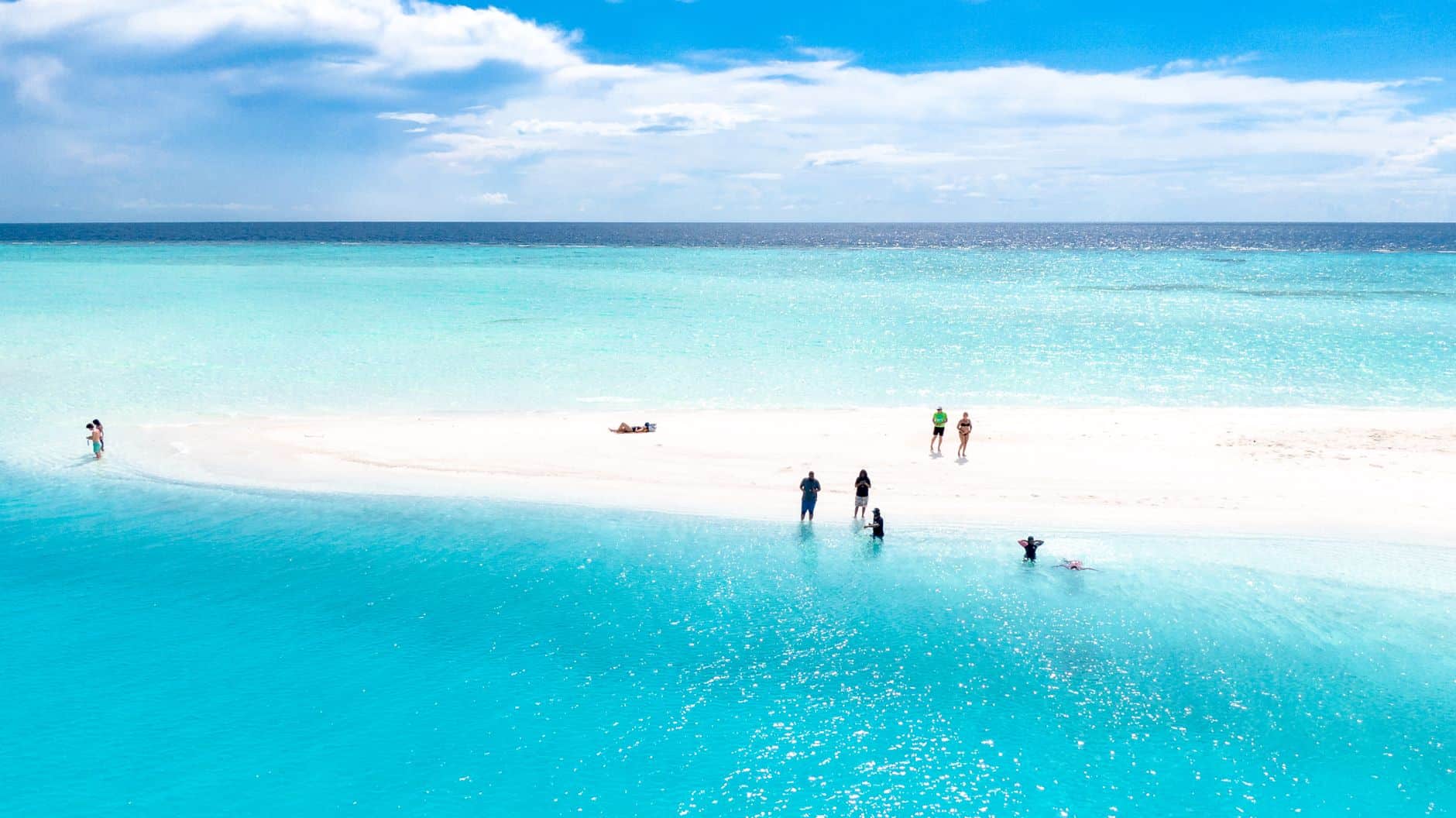
Photo by Asad Photo Maldives on Pexels
What Makes a Beach Worth the Trip
The best beaches in the world combine clear water, reliable access, comfortable surroundings, and something beyond the sand itself. This ranking evaluates beaches across six continents using consistent criteria: water clarity and safety, natural setting, ease of access, quality of nearby accommodations, and the overall experience they deliver. Every beach here earns its position through multiple strengths, not one standout feature.
Some require effort to reach. Others sit near towns with full services. The list reflects what each does well and what you should know before booking.
The 20 Best Beaches, Ranked
1. Anse Source d’Argent, La Digue, Seychelles
Anse Source d’Argent takes the top spot for its combination of dramatic granite boulders, shallow turquoise water, and protected swimming conditions. The beach sits within L’Union Estate, which charges a small entrance fee that helps control crowds even during peak season. The rock formations create natural tidal pools that stay calm throughout the day.
Access requires a short bike ride from La Digue’s main village, as cars are restricted on the island. Accommodations range from guesthouses to luxury resorts, most within cycling distance. The beach faces west, so arrive in the afternoon for better light and fewer people.
2. Whitehaven Beach, Whitsunday Island, Australia
Whitehaven Beach stretches seven kilometers along Whitsunday Island and features 98 percent pure silica sand that stays cool even in direct sun. The sand’s composition and the beach’s position create shifting patterns where the tide meets Hill Inlet, visible from a nearby lookout. The water stays clear year-round, and stinger nets go up during jellyfish season from November through May.
You can only reach the beach by boat, seaplane, or helicopter from Airlie Beach or Hamilton Island. Day trips are common, but camping permits allow overnight stays if you’re willing to carry supplies. No facilities exist on the island itself.
3. Navagio Beach, Zakynthos, Greece
Navagio Beach sits in a limestone cove accessible only by boat, enclosed by 200-meter cliffs on three sides. The shipwreck of the MV Panagiotis rests on the sand. The water is exceptionally clear, but the beach is small and gets crowded during summer mornings when tour boats arrive in waves.
Visit early or late in the day to avoid crowds, or view the beach from the clifftop observation platform for a better sense of the cove’s scale. Accommodations are available in nearby towns including Volimes and Zakynthos Town. Swimmers should note that the beach is exposed to wind and occasional rockfalls.
4. Tulum Beach, Quintana Roo, Mexico
Tulum Beach combines soft white sand, warm Caribbean water, and proximity to Mayan ruins that overlook the shore. The beach stretches several kilometers, with the best swimming in front of the hotel zone where seaweed removal is consistent. Water conditions are calmest from November through April, while summer brings more seaweed and occasional storms.
Accommodations range from eco-lodges to boutique hotels, many built directly on the sand. Access is easy from Tulum town, though parking can be limited during high season. The ruins add cultural context that most Caribbean beaches lack.
5. Anse Lazio, Praslin, Seychelles
Anse Lazio ranks among the best beaches in the Seychelles for its expansive crescent shape, consistent surf, and backdrop of takamaka trees and granite boulders. The beach offers stronger waves than Anse Source d’Argent, making it better suited for confident swimmers and bodyboarders. Two small restaurants operate at either end, providing food and shade.
The beach sits on the northwest coast of Praslin, accessible by car or bus from the main town. Parking is limited, so arrive before midday during peak season. Swimming conditions are best from May through September when the southeast trade winds calm.
6. Grace Bay, Providenciales, Turks and Caicos
Grace Bay offers five kilometers of uninterrupted sand and calm, clear water protected by a barrier reef far enough offshore to avoid sharp coral underfoot. The beach is lined with resorts, but public access points exist throughout, and the sand stays wide even at high tide. Water visibility often exceeds 30 meters.
Accommodations include everything from budget condos to luxury resorts, most with direct beach access. The reef protects the shore from strong currents and large waves. Expect higher prices than other Caribbean islands.
7. El Nido Beaches, Palawan, Philippines
El Nido’s beaches are scattered across island-hopping routes that depart daily from the main town. The best include Nacpan Beach for long stretches of sand, Seven Commando Beach for calm water and palm shade, and Hidden Beach for dramatic limestone scenery. Each delivers clear water and striking karst formations, though conditions vary by season.
Accommodations in El Nido town range from hostels to boutique resorts. Island-hopping tours are inexpensive and provide easy access to multiple beaches in one day. The dry season from November through May offers the most reliable weather.
8. Reynisfjara, Vik, Iceland
Reynisfjara is the only black sand beach on this list, formed from volcanic basalt and framed by towering basalt columns and sea stacks. The beach is dangerous for swimming due to powerful sneaker waves that have caused fatalities, but it delivers a coastal experience unlike any tropical shoreline. The stark contrast between black sand, white surf, and dark rock makes this one of the most visually distinct beaches in the world.
Access is easy from Route 1, with parking near the beach. Vik offers the closest accommodations. Do not turn your back on the water, and stay well above the tide line.
9. Playa Paraiso, Cayo Largo, Cuba
Playa Paraiso stretches three kilometers along Cayo Largo’s southern coast, offering shallow, warm water and soft sand with almost no development. The beach is largely uncommercialized, with limited facilities and only a few small resorts on the island. Water clarity is excellent, and the shallow entry makes this ideal for families.
Cayo Largo is accessible by flight from Havana or Varadero. Day trips are available from mainland Cuba. Accommodations on the island are limited to all-inclusive resorts. Bring cash, as credit card acceptance is inconsistent.
10. Matira Beach, Bora Bora, French Polynesia
Matira Beach is the largest public beach in Bora Bora and one of the few that does not require resort access. The sand is white, the water shifts from pale blue to deep turquoise, and Mount Otemanu provides a dramatic backdrop. The beach faces west, making it ideal for sunset viewing, and the shallow lagoon extends far from shore.
Accommodations range from overwater bungalows to smaller hotels near the southern tip of the island. Public access is available along the main road, though parking can be tight. Bora Bora is expensive, so budget accordingly.
11. Pink Sands Beach, Harbour Island, Bahamas
Pink Sands Beach gets its name from crushed coral and shells that tint the sand a pale rose color, most visible in early morning light. The beach stretches five kilometers along Harbour Island’s eastern shore, backed by low dunes and casuarina trees. Water conditions are generally calm, though the Atlantic exposure brings occasional surf.
Harbour Island is accessible by fast ferry from North Eleuthera, which connects to Nassau by air. Accommodations include historic inns and small resorts, most within walking or golf cart distance of the beach. The island is quieter and more upscale than Nassau or Paradise Island.
12. Elafonissi Beach, Crete, Greece
Elafonissi Beach features pale pink sand created by fragments of crushed shells and a shallow lagoon that connects the mainland to a small islet at low tide. The water is warm and calm, making this one of the best family beaches in Greece. The beach is part of a protected nature reserve, and development is limited to a few small concessions.
Access requires a drive along Crete’s southwestern coast, with parking near the beach for a small fee. Accommodations are concentrated in Chania and Paleochora, both requiring a one to two-hour drive. Arrive early during summer, as the beach attracts day-trippers from across the island.
13. Anse Intendance, Mahe, Seychelles
Anse Intendance offers a wilder alternative to the Seychelles’ calmer beaches, with consistent surf, long stretches of empty sand, and dramatic wave action. The beach is undeveloped except for one luxury resort, and strong currents make swimming dangerous during the southeast monsoon from May through September. During the calmer northwest monsoon, the water settles.
The beach is accessible by car from Mahe’s main town, Victoria, with parking near the sand. This beach suits travelers looking for scenery and solitude rather than safe swimming.
14. Baia do Sancho, Fernando de Noronha, Brazil
Baia do Sancho consistently ranks among the best beaches in Brazil for its clear water, dramatic cliffside access, and protected marine environment. Visitors descend through a narrow cleft in the rock. The bay is part of a marine reserve, and daily visitor limits help preserve the setting.
Fernando de Noronha requires a flight from Recife or Natal, and the island charges an environmental preservation fee based on length of stay. Accommodations are limited to small pousadas, and prices reflect the island’s remote location. Snorkeling is excellent, with sea turtles commonly spotted near the rocks.
15. Seven Mile Beach, Grand Cayman, Cayman Islands
Seven Mile Beach offers reliable conditions, easy access, and a long stretch of soft sand backed by resorts, restaurants, and water sports operators. The beach is highly developed, but the sand stays clean and wide, and the water remains calm thanks to the island’s position outside the hurricane belt. Public access points are clearly marked.
Accommodations range from condos to luxury resorts, most with direct beach access. Grand Cayman is one of the more expensive Caribbean destinations, but the infrastructure reflects the higher cost. Water sports, including snorkeling and paddleboarding, are widely available.
16. Camps Bay Beach, Cape Town, South Africa
Camps Bay Beach sits below the Twelve Apostles mountain range, creating one of the most dramatic beach settings in the world. The water is cold year-round due to the Atlantic current, and strong winds are common in the afternoon, but the combination of white sand, mountain backdrop, and nearby restaurants makes this a compelling urban beach.
The beach is a 15-minute drive from central Cape Town, with parking along the beachfront road. Accommodations and restaurants line the shore. Visit in the morning for calmer conditions and better light on the mountains.
17. Flamenco Beach, Culebra, Puerto Rico
Flamenco Beach offers one of the Caribbean’s best combinations of clear water, white sand, and easy access. The horseshoe-shaped bay provides natural protection from strong currents, and the beach is backed by hills rather than development. Two rusting tanks from former military use sit on the sand, now covered in graffiti.
Culebra is accessible by ferry or small plane from mainland Puerto Rico, and the beach is a short drive or taxi ride from the ferry dock. Camping is available near the beach, and the town of Dewey offers basic accommodations. Weekends bring crowds from the mainland, so plan a weekday visit if possible.
18. Horseshoe Bay, Bermuda
Horseshoe Bay features pink-tinged sand, clear turquoise water, and limestone rock formations that frame the main beach and smaller adjacent coves. The beach is well-developed, with restrooms, concessions, and lifeguards on duty during peak season. Swimming conditions are generally safe, though surf can pick up in the afternoon.
The beach is accessible by bus or scooter from Hamilton, with a large parking area for visitors. Accommodations are spread across the island. The beach is popular with cruise passengers, so expect larger crowds when ships are docked.
19. Ramla Bay, Gozo, Malta
Ramla Bay stands out in the Mediterranean for its red-orange sand, rare in the region, and its relatively undeveloped surroundings. The beach sits in a wide bay backed by hills and farmland, with only a few seasonal concessions. Swimming is safe during calm weather, though the beach is exposed to wind and occasional strong currents.
Gozo is accessible by ferry from mainland Malta, and the beach is a short drive or bus ride from the main town of Victoria. Accommodations on Gozo are limited compared to Malta, but the island offers a quieter experience. The beach is most enjoyable during spring and fall.
20. Kauna’oa Bay, Big Island, Hawaii
Kauna’oa Bay, also known as Mauna Kea Beach, offers one of the Big Island’s best white sand beaches, with calm water, gentle entry, and good snorkeling along the rocky edges. The beach is backed by the Mauna Kea Beach Hotel, but public access is available with limited parking. The bay faces west, providing excellent sunset views.
The beach is located along the Kohala Coast, about 30 minutes north of Kailua-Kona. Public parking fills quickly, so arrive early or visit in the late afternoon. Accommodations in the area include resorts along the coast and vacation rentals in nearby communities.
Check Conditions Before You Commit
Confirm seasonal conditions, typical weather, and access requirements before booking. Many beaches on this list require boat transfers, advance permits, or long drives on unpaved roads. Water safety varies, with some offering protected swimming and others presenting serious hazards. Recent reviews and local guidance will help ensure the beach matches your expectations.

The World Is Full of Wonders. Go Find Them.


Your Daily Dose of Wonder.
Everyday a new quiz, tip or destination to inspire you. Challenge your friends and grow your knowledge.