Rock Climbing in the Dolomites: Routes, Skill Levels, and What to Know Before You Go
The Dolomites offer world-class limestone climbing, but these alpine routes demand more than gym skills. Here's what you need to know about routes, gear, and conditions before tackling Italy's iconic peaks.
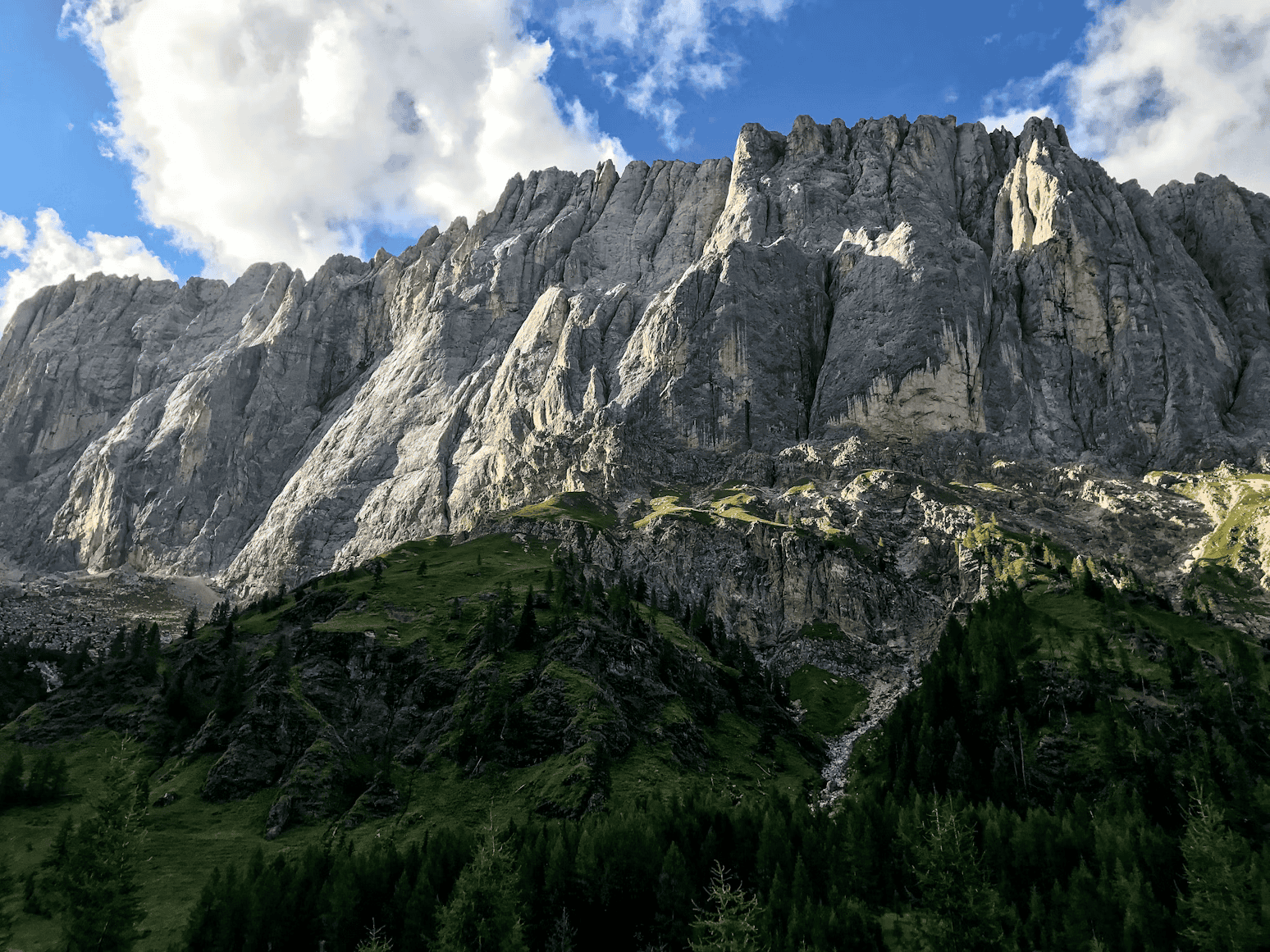
Climbing routes in the Dolomites showcase stunning scenery and diverse skill levels for outdoor enthusiasts.
Why Climbers Keep Coming Back to the Dolomites
The Dolomites in northeastern Italy offer some of the most striking limestone climbing in Europe. Sheer vertical walls, jagged spires, and long multi-pitch routes through alpine terrain draw climbers from across the globe. But this range isn’t forgiving. Routes here require technical skill, stamina, and mountain sense that go well beyond indoor walls or single-pitch sport climbing.
This guide covers key routes by skill level, what each demands, and the practical knowledge you need before you start climbing.
What Makes Dolomites Climbing Different
Climbing here feels different from most other European spots. The rock is sedimentary limestone, which means holds can be sharp, polished, or crumbly depending on how popular the route is. Most classic lines follow natural features like chimneys, cracks, and ridges rather than neat bolt lines.
You’ll encounter multi-pitch traditional or alpine sport climbs. Fixed protection exists on well-traveled routes, but quality and spacing vary. Bring your own gear, know how to build anchors, and be ready for long approaches and descents that might involve hiking, scrambling, or rappelling.
Weather shifts fast at elevation. Summer afternoons bring thunderstorms regularly. Start early and be ready to turn around if conditions change.
Routes for Intermediate Climbers
If you’re comfortable leading multi-pitch sport routes in the 5.7 to 5.9 range and have some alpine experience, these routes offer a solid introduction to climbing in the Dolomites.
- Via Normale on Piz Ciavazes: A classic ridge climb near the Sella Pass. The route follows a natural ridgeline with moderate scrambling and occasional fifth-class moves. Exposure is real, but the climbing itself is straightforward. The approach takes about 90 minutes from the lift station.
- Via Delle Guide on Sass Pordoi: A six-pitch route with bolted anchors and decent protection. Grades run 5.6 to 5.8. The approach is short, and the descent uses a cable-assisted trail. This is a smart first Dolomites climb if you want to test your comfort with exposure and altitude.
- Kaspar Route on Cinque Torri: A seven-pitch route with solid protection in the 5.7 to 5.9 range. The Cinque Torri area has several short towers with easier access, making it a good warm-up before tackling bigger objectives.
Intermediate climbers should feel confident with rope management, multi-pitch transitions, and reading route descriptions in meters and European grades.
Classic Routes for Advanced Climbers
Advanced climbers with solid trad skills and alpine experience will find plenty of challenging lines. These routes require efficient movement, endurance, and the ability to adapt across different terrain.
- Comici Route on Cima Grande: One of the most famous climbs in the Dolomites. Eighteen pitches up the north face of Cima Grande, with difficulties up to 5.9. The route is long, committing, and often crowded. Fixed gear exists but isn’t always trustworthy. Expect a full day and bring headlamps in case you’re still climbing or descending after dark.
- Dülfer Route on Fünffingerspitze: A 12-pitch route graded around 5.8 with sustained exposure. The climbing follows cracks and corners on excellent rock. This route sees fewer parties than the Comici but still demands solid trad skills and efficient transitions.
- Yellow Edge on Marmolada: A steep sport route with bolted protection and difficulties in the 5.10 to 5.11 range. The wall is exposed and sustained. This is one of the harder bolted lines in the area and best suited for climbers comfortable at that grade in alpine conditions.
Plan for long days. Even fast parties often take eight to twelve hours car to car on these routes.
Routes for Expert Climbers
If you climb at a high level and have extensive alpine experience, the Dolomites offer world-class challenges on remote faces and difficult mixed terrain.
- Schweizer Route on Punta Tissi: A serious 20-pitch traditional climb with difficulties up to 5.10. Protection is sparse in sections, and route-finding can be tricky. This is a committing line best suited for experienced alpine climbers comfortable with long runouts and variable rock.
- Hasse-Brandler Route on Cima Grande: A direct line up the north face with 30 pitches and difficulties reaching 5.10+. This route requires advanced aid climbing skills, efficient belaying, and a high tolerance for exposure and commitment. Bivying on the wall is common.
- Via Attraverso il Pesce on Marmolada: A demanding mixed route involving ice, rock, and scrambling. This crosses multiple terrain types and requires a full alpine rack, crampons, and ice tools depending on the season.
These climbs demand self-sufficiency, strong navigation, and the ability to manage risk in remote settings. Rescue is difficult and slow in the Dolomites.
What Gear to Bring
Your rack depends on the route, but a general Dolomites climbing kit includes the following.
- A 60-meter rope at minimum. Some routes require double ropes or a 70-meter single.
- A set of cams from 0.3 to 3 inches if climbing trad routes.
- Stoppers and hexes for passive protection.
- 10 to 14 quickdraws for sport routes or clipping fixed gear.
- Slings and cordelette for building anchors or extending placements.
- A helmet. Rockfall is common, especially on popular routes.
- Approach shoes or lightweight boots for hiking to and from climbs.
- Layers for changing weather, including a waterproof shell and insulating mid-layer.
- Headlamp with extra batteries.
- Guidebook or detailed route descriptions downloaded offline.
Many climbers also carry a small first aid kit, emergency bivy gear, and a charged phone with local emergency numbers saved.
When to Climb in the Dolomites
The climbing season runs from late June through September. Snow lingers on higher routes into early summer, and some climbs remain inaccessible until July.
July and August are the busiest months. Expect crowds on classic routes, especially on weekends. Weather is generally stable, but afternoon thunderstorms are frequent. Start your climb by dawn to maximize safe climbing hours and avoid getting caught high in a storm.
September offers quieter routes and stable weather, but temperatures drop and days shorten. Bring warmer layers and plan for shorter daylight windows.
Where to Stay and How to Access the Climbs
Most climbers base themselves in towns like Cortina d’Ampezzo, Canazei, or Corvara. These towns offer lodging, gear shops, and easy access to trailheads and lifts.
Many routes involve significant approaches. Plan for one to three hours of hiking with a full climbing pack. Some climbs are accessible via cable car or chairlift, which can shorten the approach considerably. Check lift schedules and fees ahead of time.
Rifugios, or mountain huts, are scattered throughout the range and offer meals and lodging closer to the climbs. Booking in advance is essential during peak season.
Safety and Rescue Considerations
The Dolomites are remote. Cell service is unreliable. If you get into trouble, rescue can take hours and may require a helicopter.
Carry travel insurance that covers alpine climbing and potential helicopter evacuation. Standard travel insurance often excludes mountaineering activities.
Know how to self-rescue. Be able to build anchors, ascend a rope, and assist an injured partner. Many accidents happen during descents. Take your time on rappels, double-check your setup, and communicate clearly with your partner.
The European emergency number is 112. Save it in your phone before you leave cell service.
Hiring a Guide or Going Independent
If this is your first time climbing in the Dolomites or you’re unfamiliar with alpine terrain, hiring a certified guide is a smart choice. Guides know the routes, conditions, and descent options. They can also help you choose climbs that match your skill level and goals.
Independent climbers should have solid alpine experience, route-finding skills, and comfort with variable protection and long descents. Research your route thoroughly, download maps and descriptions, and have a backup plan if conditions or weather change.
Check Conditions and Fixed Gear Before Committing
Before you head out, check current conditions. Local climbing shops, rifugios, and online forums often have recent beta on rock conditions, fixed gear status, and weather forecasts. Fixed pitons and bolts can be old and unreliable. Don’t trust them without inspection, and back them up when possible.

The World Is Full of Wonders. Go Find Them.



Your Daily Dose of Wonder.
Everyday a new quiz, tip or destination to inspire you. Challenge your friends and grow your knowledge.