Alaska Cruises Compared: Which Itinerary Is Right for You?
Compare Alaska’s leading cruise itineraries by glaciers, ports, wildlife opportunities, sailing style, and overall travel experience.
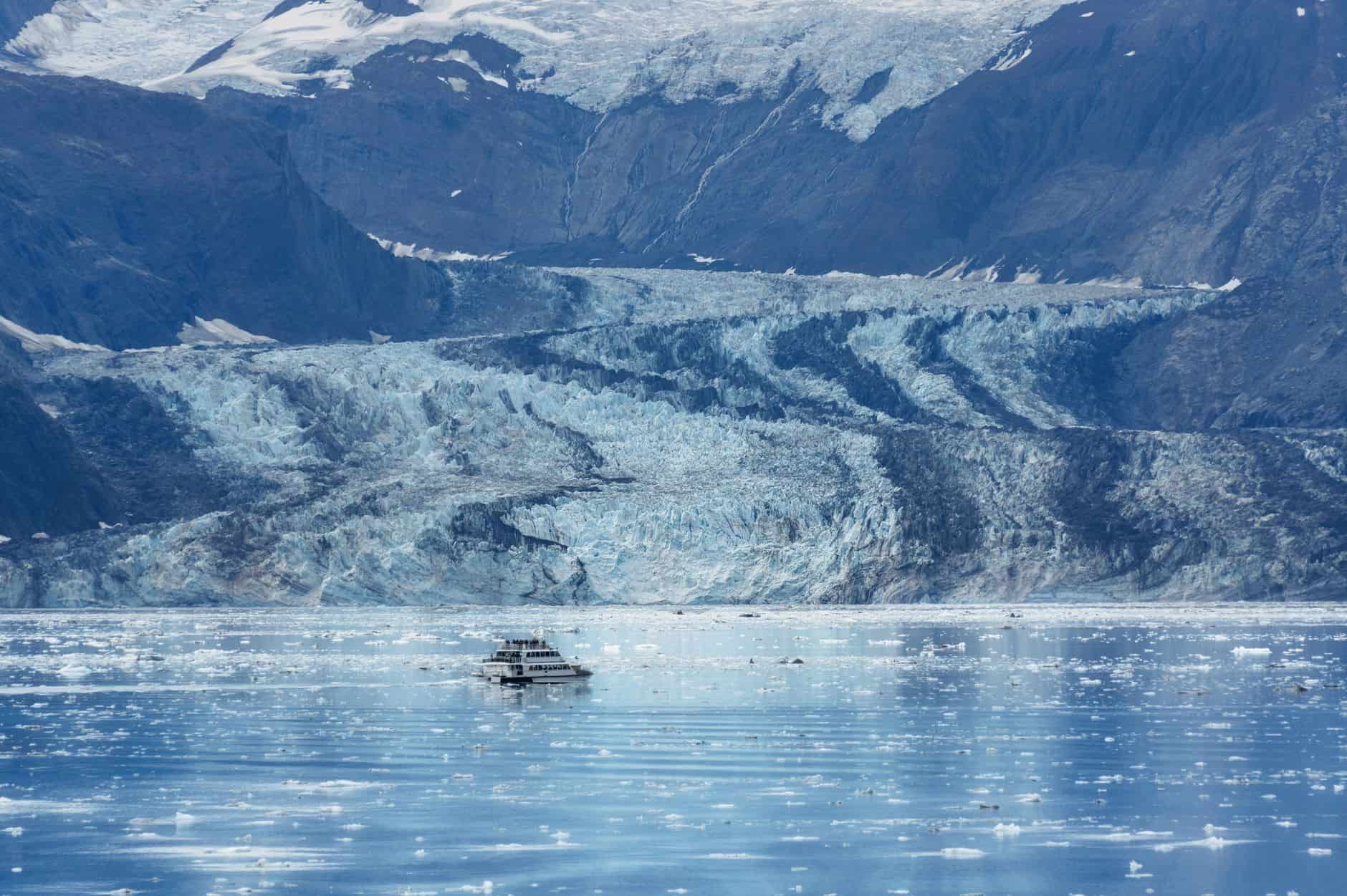
Photo by Gu Bra on Pexels
What Sets Alaska Cruise Itineraries Apart
Alaska cruises sail through one of the most dramatic coastlines in the world, but the route your ship follows shapes what you actually see. Your itinerary determines which glaciers you encounter, which ports you visit, how much time you spend at sea, and whether you return to the same city where you started. Some routes prioritize wildlife and scenery over port time. Others focus on accessible Alaskan towns with excursion opportunities. The differences matter, especially if you care about wildlife viewing, photography, or avoiding long stretches on open water.
This guide compares the four most common Alaska cruise itinerary types. Inside Passage routes, Glacier Bay sailings, Hubbard Glacier itineraries, and Gulf of Alaska crossings each deliver a different balance of ports, glaciers, and sailing conditions. Understanding what each offers helps you pick the route that matches what you want from an Alaska cruise.
Inside Passage Itineraries: The Most Common Route
Inside Passage cruises sail through protected waterways between Alaska’s mainland and offshore islands. This route accounts for the majority of Alaska sailings because it offers calm seas, frequent port stops, and consistent access to wildlife and coastal scenery. Most Inside Passage itineraries are round-trip sailings from Seattle or Vancouver, which makes them logistically simpler than one-way crossings.
Typical ports include Ketchikan, Juneau, Skagway, and sometimes Sitka or Icy Strait Point. Each town serves as a base for shore excursions like floatplane tours, whale-watching trips, salmon fishing, and historical tours tied to the gold rush era. The route also includes scenic cruising through narrow fjords and past waterfalls, but it does not always guarantee access to major tidewater glaciers unless the itinerary specifically includes Glacier Bay or another glacier viewing area.
Inside Passage itineraries suit travelers who want a predictable pace, a variety of port experiences, and minimal exposure to rough water. This route works well for first-time Alaska cruisers and families who value excursion variety over extended time in wilderness areas. If your primary goal is glacier viewing or backcountry wildlife encounters, confirm that your specific itinerary includes designated glacier cruising time.
Glacier Bay Itineraries: National Park Access Built Into the Route
Glacier Bay National Park is one of Alaska’s most celebrated natural areas, and cruise itineraries that include it spend an entire day sailing through the park’s protected waters. Ships navigate close to active tidewater glaciers, where you can watch and hear ice calving into the sea. A National Park Service ranger boards the ship to provide live narration throughout the day, explaining the glaciers, geology, and wildlife visible from the deck.
Glacier Bay is not a port. It is a daylong scenic experience with no stops, no excursions, and no option to go ashore. The ship slows or pauses near glaciers like Margerie Glacier and Grand Pacific Glacier to allow time for viewing and photography. Wildlife sightings often include humpback whales, orcas, sea otters, seals, and brown bears along the shoreline.
Not every Alaska cruise includes Glacier Bay. The National Park Service limits the number of ships allowed to enter each day, so only select itineraries from certain cruise lines receive permits. If Glacier Bay matters to you, confirm that your specific sailing includes it rather than assuming all Alaska cruises do. Itineraries that include Glacier Bay typically follow an Inside Passage route with stops in Juneau, Skagway, and Ketchikan, creating a mix of port time and extended wilderness viewing.
This itinerary type works well for travelers who prioritize natural beauty and are comfortable spending a full day aboard the ship without structured port activities. It suits photographers, wildlife enthusiasts, and travelers who view the cruise itself as the destination rather than just transportation between Alaskan towns.
Hubbard Glacier Itineraries: A Closer Alternative to Glacier Bay
Hubbard Glacier is North America’s largest tidewater glacier, and cruise ships can approach it more closely than many other glaciers in Alaska. Ships typically sail into Disenchantment Bay and position themselves near the glacier’s face, where the ice wall rises more than 300 feet above the water. The proximity allows for dramatic viewing and frequent calving events, making it a highlight for passengers focused on glacier experiences.
Like Glacier Bay, Hubbard Glacier is not a port stop. It is a scenic cruising experience that takes several hours, during which the ship maneuvers to give passengers viewing access from multiple decks. Because Hubbard Glacier is not located within a national park, cruise lines do not need permits to visit, which means more itineraries include it as an alternative or supplement to Glacier Bay.
Itineraries featuring Hubbard Glacier often follow an Inside Passage route and may include additional glacier viewing in Tracy Arm or Endicott Arm, both narrow fjords with smaller glaciers and steep rock walls. Port stops on these itineraries are similar to other Inside Passage routes, including Juneau, Skagway, and Ketchikan, though some sailings also stop in Haines or Sitka.
This itinerary type appeals to travelers who want close-up glacier access without requiring a Glacier Bay permit or paying the premium sometimes associated with those sailings. It also works well for repeat Alaska cruisers who have already visited Glacier Bay and want a different glacier experience.
Gulf of Alaska Itineraries: One-Way Crossings With More Sea Time
Gulf of Alaska cruises are one-way itineraries that sail between Vancouver or Seattle and Seward or Whittier, Alaska. These crossings take you through open ocean waters in the Gulf of Alaska, which can be rougher and less sheltered than the Inside Passage. The trade-off is access to a broader range of ports and the option to combine your cruise with a land tour of Alaska’s interior, including Denali National Park, Fairbanks, or Anchorage.
Gulf of Alaska itineraries typically include the same major ports as Inside Passage routes, but because they are one-way, they allow for different port combinations and sometimes add stops in places like Valdez or Homer. These sailings often include glacier viewing at Hubbard Glacier or in College Fjord, an area with multiple glaciers visible from the ship. Some itineraries also include Glacier Bay, though this is less common than on round-trip sailings.
The main logistical consideration with Gulf of Alaska itineraries is that you fly into one city and out of another. This adds complexity and sometimes cost, especially if you are extending your trip with a pre- or post-cruise land package. If you want to see both coastal Alaska and interior wilderness areas like Denali, a Gulf of Alaska cruise paired with a land tour is the most efficient way to cover both regions in one trip.
This itinerary type works best for travelers who have the time and budget for a longer Alaska vacation and who are comfortable with the potential for rougher seas during the open-water portion of the crossing. It is also a good fit for anyone interested in combining a cruise with inland sightseeing, wildlife viewing, and national park exploration.
Small-Ship and Expedition Itineraries: Closer Access, Fewer Passengers
Small-ship and expedition cruises in Alaska operate on a different scale than mainstream cruise lines. These vessels carry fewer than 200 passengers and can navigate narrower waterways, anchor closer to shore, and visit remote areas that large ships cannot reach. Itineraries often include landings via Zodiac boats, kayaking excursions, and guided hikes led by naturalists.
Small-ship itineraries may focus on specific regions like Southeast Alaska’s Inside Passage, the remote islands of the Alexander Archipelago, or even less-traveled areas like the Alaska Peninsula or the Aleutian Islands. These cruises prioritize immersive wilderness experiences over traditional port stops, and many spend more time in national parks, wildlife refuges, and pristine coastal environments.
The trade-off is cost. Small-ship and expedition cruises are typically more expensive per day than mainstream options, and they offer fewer onboard amenities. Cabins are smaller, dining options are limited, and entertainment focuses on educational programming rather than shows or casinos. The wildlife access, personalized service, and ability to explore areas inaccessible to larger ships make these itineraries appealing to travelers seeking a more intimate and adventurous Alaska experience.
These itineraries suit travelers who value wildlife encounters and backcountry access over port shopping and large-ship conveniences. They are especially popular with photographers, birders, and anyone who has already taken a mainstream Alaska cruise and wants a more hands-on experience.
How to Choose the Right Itinerary for Your Priorities
Choosing the right Alaska cruise itinerary depends on what you want most from the trip. If glacier viewing is your top priority, confirm that your sailing includes Glacier Bay or Hubbard Glacier. If you prefer calm seas and a variety of port stops, an Inside Passage round-trip itinerary offers the most predictable experience. If you want to combine coastal scenery with interior Alaska, a Gulf of Alaska crossing paired with a land tour gives you the most geographic range.
Trip length also matters. Most Alaska cruises run seven days, but some Inside Passage itineraries are shorter, and Gulf of Alaska crossings with land extensions can stretch to two weeks or more. If you are prone to seasickness, stick with Inside Passage routes, which stay in protected waters. If you want fewer crowds and closer wildlife access, consider a small-ship or expedition cruise despite the higher cost.
Pay attention to timing. Alaska’s cruise season runs from May through September, with peak wildlife activity and the best weather typically occurring in June, July, and August. Early-season sailings in May offer lower prices and fewer passengers but cooler temperatures and a higher chance of rain. Late-season sailings in September bring fall colors and the start of the northern lights, but some ports and excursions may have reduced availability.
Pre-Cruise and Post-Cruise Logistics to Consider
Most Alaska cruises depart from Seattle or Vancouver, both of which are accessible by air and offer pre-cruise hotel options. If your itinerary is a Gulf of Alaska crossing, you will fly into one city and out of another, so plan for that added travel time and expense. Seward and Whittier, the two most common Alaskan embarkation or debarkation ports, are about two to three hours from Anchorage by road or rail.
Arriving at least one day before your cruise departs reduces the risk of missing the ship due to flight delays. If you are ending your cruise in Alaska, consider adding extra days to explore Anchorage, Denali, or other inland destinations. Many cruise lines offer pre-packaged land extensions, but you can also arrange independent travel if you prefer more flexibility.
Confirm Glacier Access Before You Book
Check your specific itinerary’s port list and confirm whether it includes Glacier Bay, Hubbard Glacier, or other designated glacier viewing areas. Not all Alaska cruises are the same, and the difference between a route with dedicated glacier time and one without can define your entire experience. Choose based on the combination of ports, scenery, and logistics that aligns with how you want to spend your time in Alaska.

The World Is Full of Wonders. Go Find Them.




Your Daily Dose of Wonder.
Everyday a new quiz, tip or destination to inspire you. Challenge your friends and grow your knowledge.