Bali Wellness Retreats: What to Expect and How to Choose the Right One
Bali's wellness retreats range from budget jungle yoga studios to luxury clifftop spas. Here's how to cut through the options and find a program that actually matches your goals and budget.
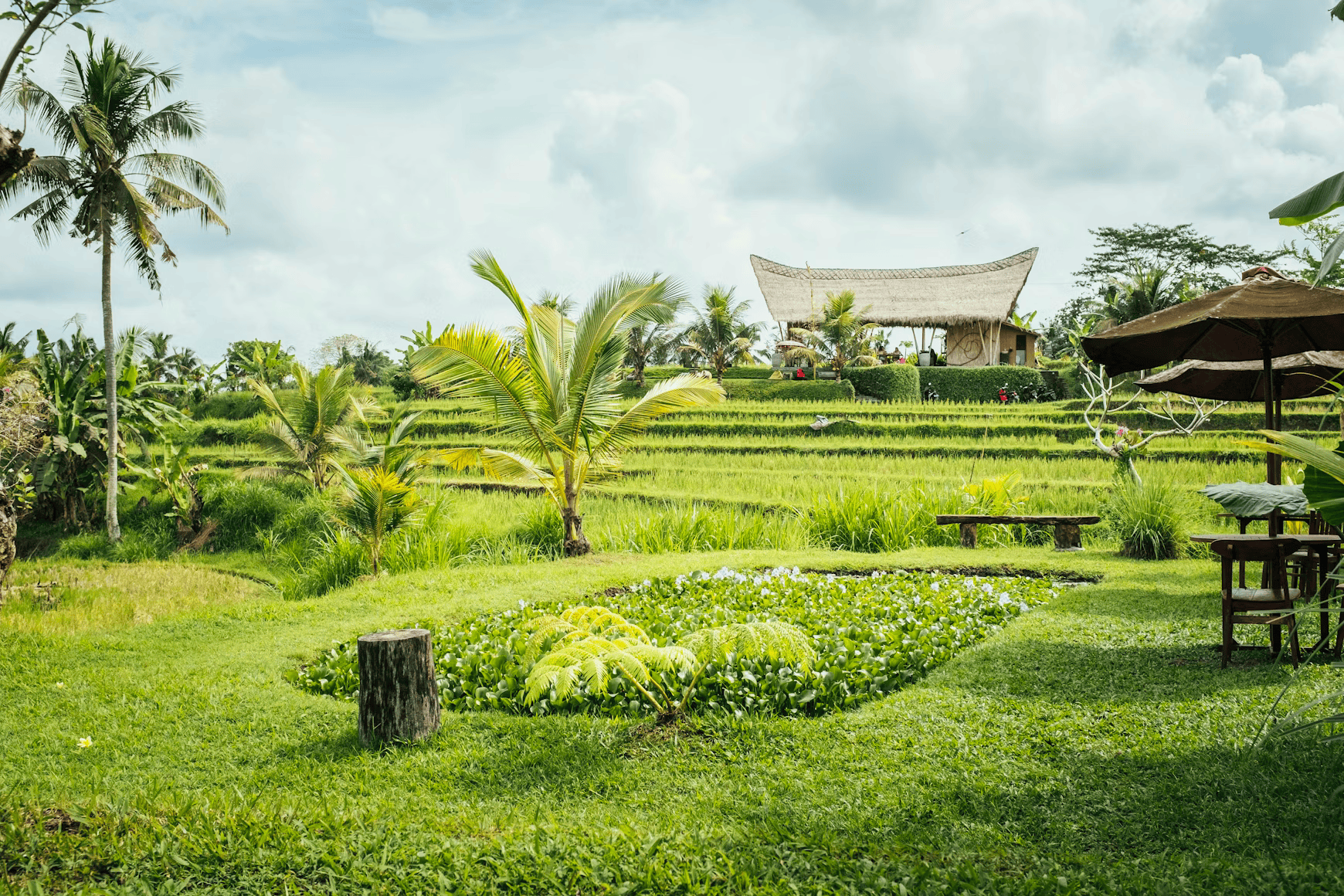
Serene tropical garden scene with vibrant plants, palm trees, and a traditional pavilion, perfect for relaxation and nature exploration.
Why Bali Has Become a Wellness Destination Worth Considering
Bali has earned its reputation as a wellness destination for good reason. The island offers everything from affordable yoga studios tucked into rice paddies to high-end resort spas overlooking the ocean. You will find meditation centers, detox programs, traditional Balinese healing, and modern wellness facilities, often within the same region. This guide will help you understand what these retreats actually offer, what they cost, and how to choose one that matches your needs and budget.
Understanding the Main Types of Retreats
Bali’s wellness scene is not one-size-fits-all. Understanding the different types will help you narrow your search quickly.
Yoga-focused retreats center on daily practice, often combining vinyasa, hatha, or yin styles with meditation and breathwork. These range from rustic jungle settings in Ubud to beachside studios in Canggu. Most include accommodation, meals, and two daily sessions.
Detox and cleanse programs focus on nutrition, fasting, and body purification. Expect juice cleanses, plant-based meals, and treatments like colonics or lymphatic massage. These are more structured and typically last five to ten days.
Holistic healing retreats combine traditional Balinese practices, such as energy work and herbal medicine, with modern wellness modalities. These often include one-on-one sessions with healers and are more personalized than group programs.
Luxury wellness resorts offer spa treatments, fitness classes, nutritional consultations, and high-end amenities. These are less about immersion and more about relaxation with wellness options available on demand.
What a Typical Retreat Day Actually Looks Like
Most retreat schedules follow a similar rhythm, though intensity varies by program type.
Mornings usually begin with yoga or meditation around sunrise, followed by a healthy breakfast. Mid-morning might include a workshop, a spa treatment, or free time to explore the area or rest. Lunch is typically light and plant-based. Afternoons often feature another yoga session, a healing treatment, or an activity like a nature walk or cooking class. Evenings close with meditation, restorative yoga, or group reflection.
Meals are included in nearly all programs, and most retreats ask participants to avoid alcohol and caffeine during their stay. Some retreats enforce silence during meals or specific hours. Others are more social. Check the daily schedule before booking if structure matters to you.
Where to Find Retreats on the Island
Bali’s wellness retreats cluster in a few key areas, each with a distinct feel.
Ubud is the spiritual and cultural heart of the island. Retreats here are surrounded by rice terraces, jungle, and traditional villages. The atmosphere is quiet and introspective. Ubud has the highest concentration of yoga studios, healers, and vegetarian restaurants outside of retreat settings.
Canggu attracts a younger, more social crowd. Retreats here are often near the beach and may include surfing, fitness classes, or wellness brunches. The vibe is active and community-oriented.
Uluwatu is quieter and more remote. Retreats in this area tend to be smaller and more focused on privacy, with dramatic clifftop views and fewer distractions.
Sanur and the eastern coast offer fewer options but tend to be more affordable and less tourist-heavy. These retreats are often family-run and quieter.
What Retreats Actually Cost
Pricing varies widely based on accommodation style, program length, and inclusions.
Budget retreats start around $50 to $80 per night. These are often shared-room setups in simple guesthouses or eco-lodges. Meals are included, but treatments and excursions cost extra. These work well for solo travelers or those prioritizing experience over luxury.
Mid-range retreats run $100 to $200 per night and typically include private rooms, three meals, daily yoga, and some spa treatments or workshops. Accommodations are comfortable, often with pools and garden settings. This is the most common price range for week-long programs.
High-end retreats and luxury resorts charge $300 to $600 per night or more. These include premium accommodations, personalized wellness plans, one-on-one sessions with practitioners, gourmet meals, and full access to spa facilities. Some offer ocean views, infinity pools, and private villas.
Most retreats require full payment upfront and offer discounts for longer stays. Be clear on what is included. Some programs charge extra for airport transfers, excursions, or advanced treatments like Reiki or sound healing.
How to Choose the Right Retreat for You
Not all retreats are created equal. Ask yourself these questions before booking.
What is your main goal? If you want deep rest, look for programs with lots of downtime and minimal structure. If you want to build a yoga practice, prioritize retreats with experienced teachers and multiple daily sessions. If you are dealing with burnout or stress, consider a detox or healing-focused program.
How social do you want the experience to be? Some retreats are designed for solo reflection and enforce silence. Others encourage group bonding through shared meals and activities. Read reviews or contact the retreat directly to understand the social dynamic.
What is the cancellation policy? Many retreats in Bali are small operations with strict cancellation terms. Make sure you are comfortable with the terms before committing, and consider travel insurance that covers cancellations.
Who is teaching or leading the program? Look for retreats that list instructor credentials and backgrounds. Strong programs highlight their teachers and healers. Vague bios or generic descriptions are a red flag.
What is included in the price? Confirm whether meals, airport transfers, excursions, and treatments are part of the package or charged separately. Hidden costs add up quickly.
What to Pack and How to Prepare
Pack light, breathable clothing suitable for yoga and warm weather. Bring a reusable water bottle, sunscreen, insect repellent, and any personal toiletries you prefer. Most retreats provide yoga mats, but some travelers prefer their own.
If you are new to yoga or meditation, let the retreat organizers know in advance. Many programs accommodate beginners, but it helps to set expectations early. Arrive with an open mind and realistic goals. Wellness retreats are not magic fixes, but they can provide clarity, rest, and tools you will use long after you leave.
Define What You Need Before You Start Searching
Before browsing retreat listings, write down what you want to get out of the experience. Rest, routine, community, skill-building, or healing all lead to different retreat choices. Clarity on your goal will save you time and help you avoid programs that sound appealing but do not match what you are actually looking for.

The World Is Full of Wonders. Go Find Them.




Your Daily Dose of Wonder.
Everyday a new quiz, tip or destination to inspire you. Challenge your friends and grow your knowledge.