Celebrating Holi in India: What to Expect and How to Join In Respectfully
Experience India's legendary festival of colors firsthand, but know what you're getting into before the powder starts flying. Here's how to celebrate Holi like a respectful traveler, not a tourist.
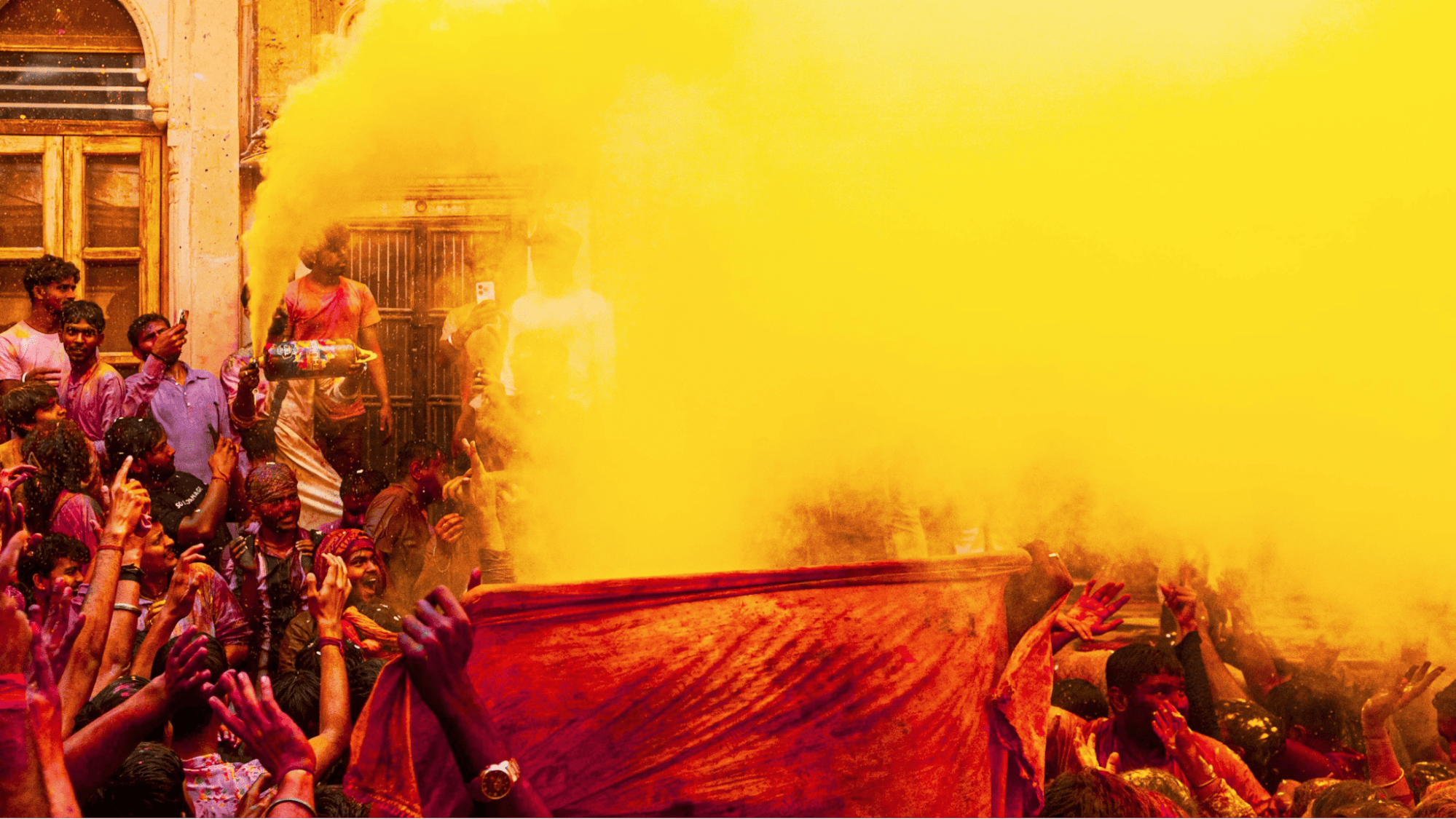
Celebrating Holi with colorful powders and joyful crowds in India’s traditional festival.
Why Holi Draws Travelers from Around the World
Holi, India’s festival of colors, transforms streets into kaleidoscopes of vibrant powder and water. Celebrated in March each year, this Hindu spring festival marks the victory of good over evil and the arrival of warmer weather. If you’re planning to experience Holi in India, you’ll join millions throwing colored powder, dancing to music, and celebrating with locals. This guide covers what to expect, how to prepare, and how to participate respectfully during one of India’s most joyous celebrations.
When and Where Holi Happens
Holi falls on the full moon day in the Hindu month of Phalguna, typically in late February or early March. The exact date changes each year based on the lunar calendar, so confirm the timing when booking your trip.
The festival is celebrated across India, but certain cities offer particularly memorable experiences. Mathura and Vrindavan, the birthplace and childhood home of Lord Krishna, host week-long celebrations with temple rituals and traditional music. Jaipur organizes large public gatherings with coordinated color throwing. Delhi offers neighborhood celebrations throughout the city. Smaller towns and villages often provide more intimate, community-focused experiences.
The main celebration day is called Rangwali Holi or Dhulandi. The evening before, known as Holika Dahan, communities light bonfires to symbolize the burning of evil.
What Actually Happens During Holi
Celebrations begin early, often around sunrise, and peak by mid-morning. People gather in streets, parks, and open spaces to throw colored powder called gulal at each other. Water guns and balloons filled with colored water add to the chaos. Music plays from speakers, and groups dance together as the powder and water fly.
The atmosphere is playful and energetic. Strangers greet each other with “Happy Holi” and smear color on faces and clothes. Sweets and snacks are shared. By afternoon, the intensity dies down as people return home to clean up and visit family.
In some regions, particularly in Uttar Pradesh, celebrations can get rowdy. Crowds form, alcohol flows freely, and behavior can cross boundaries. Understanding this reality helps you choose where and how to celebrate.
What to Wear and Bring
Wear old clothes you don’t mind ruining. White clothing shows the colors well, but any light-colored fabric works. Choose something that covers your arms and legs, both for sun protection and to maintain modesty in public spaces.
Skip nice shoes. Sandals or old sneakers you can throw away afterward are your best options. The streets become muddy mixtures of water and powder.
Protect your belongings. Leave jewelry, watches, and expensive items at your accommodation. Bring your phone only if you have a waterproof case and secure pocket. Many travelers leave phones behind entirely to stay present and avoid damage.
Apply coconut oil or moisturizer to your skin and hair before heading out. This creates a barrier that makes washing off the colors easier later. The powder can be difficult to remove, and some dyes may stain temporarily.
Sunglasses protect your eyes from powder. A small amount of cash in a secure pocket covers snacks or drinks.
How to Participate Respectfully
Always ask permission before throwing color on someone. While the festival is playful, consent matters. A smile and gesture usually suffice if you don’t speak the language. Most people welcome participation, but elders, pregnant women, and those standing aside should not be targeted.
Use only natural, herbal colors when possible. Traditional gulal is made from flowers and plants, but synthetic dyes have become common. These chemical powders can irritate skin and harm the environment. If buying your own colors, look for organic options sold at quality shops.
Avoid aggressive behavior. Holi involves physical contact as people apply color to faces and clothes, but respect personal space. Stay alert in crowded areas, particularly if you’re a solo female traveler. Join organized events through hostels or tour groups if you’re uncomfortable navigating celebrations alone.
Don’t photograph people without permission. Ask before taking close-up shots of individuals, especially children. The festival atmosphere can make travelers treat locals as spectacle rather than participants.
Stay sober or drink minimally. While alcohol is part of many celebrations, being intoxicated in crowded public spaces creates safety risks. Bhang, an edible cannabis preparation, is traditionally consumed during Holi but affects people differently. If you try it, do so cautiously and in a safe environment.
Practical Considerations for the Day
Eat a good breakfast before heading out. Street food vendors operate during Holi, but options may be limited as many shops close. Pack water if you’ll be out for several hours.
Plan your route back to your accommodation before you leave. By late morning, finding transportation becomes difficult. Auto-rickshaw and taxi drivers often refuse passengers covered in color or charge extra. Walking back may be your most reliable option.
Protect your accommodation. Remove your shoes outside and shower immediately upon returning. Bring plastic bags to contain your colored clothes and prevent staining your luggage.
Colors wash out of skin within a few days, but hair may retain tints longer, particularly if you have light-colored hair. That coconut oil application helps significantly with removal.
Alternatives to Street Celebrations
If open street celebrations feel overwhelming, several alternatives exist. Many hotels host private Holi parties for guests, offering a controlled environment with music, colors, and food. These events provide the festival experience with added security and amenities.
Some hostels organize Holi gatherings for travelers, creating a social atmosphere where everyone is equally new to the experience. Tour companies offer Holi packages that include transportation, traditional meals, and guided participation.
Attending Holika Dahan bonfires the night before offers a calmer cultural experience. These evening gatherings include prayers, songs, and community bonding without the intensity of the color throwing.
Book Accommodation Early
Reserve your room well in advance. March is peak tourist season in India, and Holi increases demand significantly. Confirm that your arrival timing allows you to rest before the early morning celebration, especially if you’re traveling between cities the day before.

The World Is Full of Wonders. Go Find Them.


Your Daily Dose of Wonder.
Everyday a new quiz, tip or destination to inspire you. Challenge your friends and grow your knowledge.