Japanese Etiquette for Travelers: Dining Rules and Social Expectations
Navigating Japan's unique social customs can make or break your travel experience. From chopstick etiquette to public bath rules, learn the essential do's and don'ts that will help you blend in respectfully.
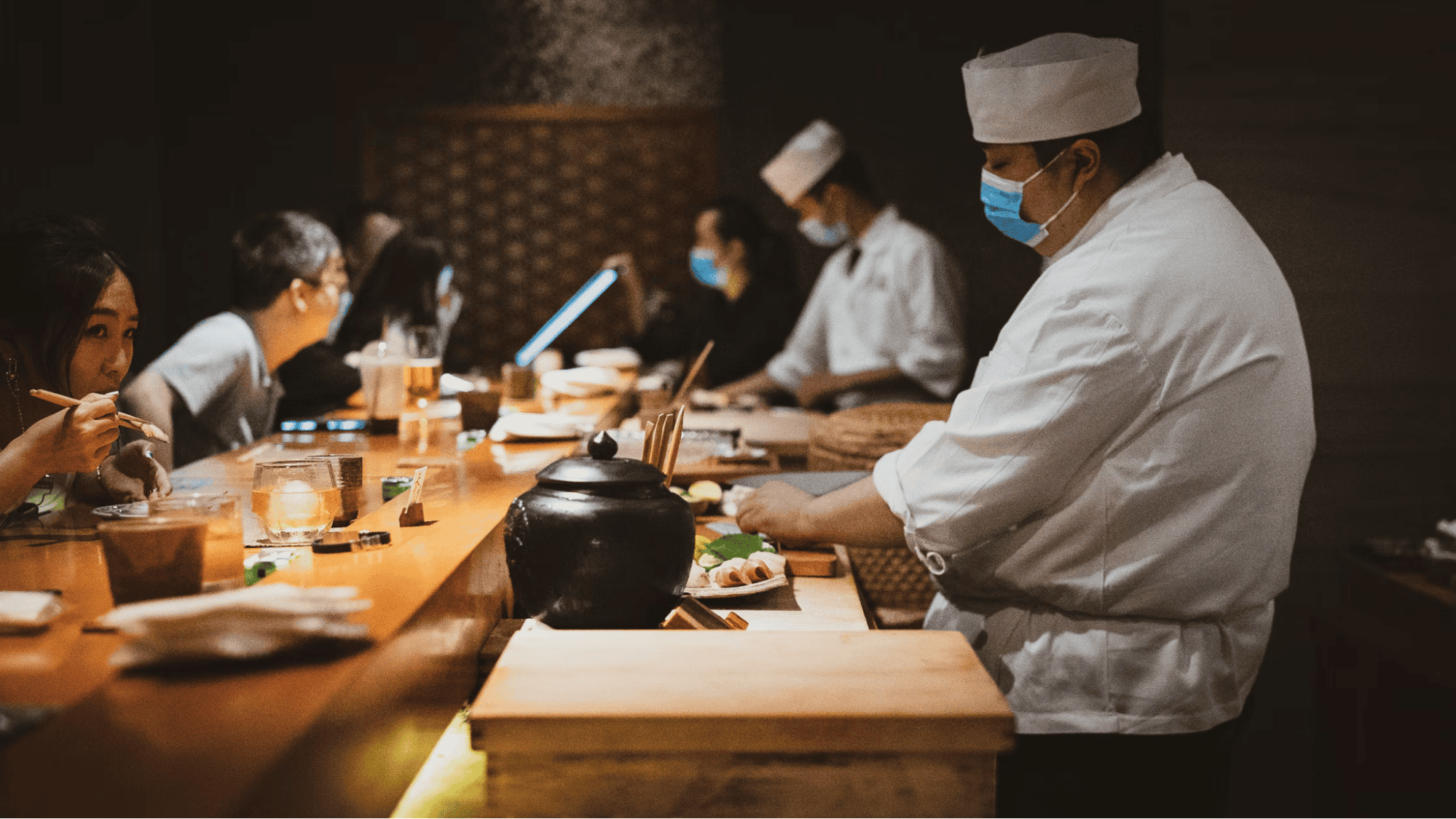
Skilled sushi chefs craft fresh sushi dishes in an authentic Japanese restaurant setting.
Why Japanese Etiquette Matters More Than You Think
Japan operates on a different set of social rules than most Western countries, and small gestures carry significant meaning. What feels polite at home might come across as rude in Tokyo or Kyoto, and what seems overly formal to you is simply expected daily behavior in Japan. Understanding these customs will help you avoid awkward moments and open doors to more genuine interactions with locals.
This guide covers the essential etiquette rules every traveler should know before visiting Japan, with a focus on dining customs and everyday social expectations.
Chopstick Rules You Cannot Ignore
Chopsticks are not just eating utensils in Japan. They carry deep cultural significance, and misusing them can genuinely offend people.
Never stick your chopsticks upright in a bowl of rice. This resembles a funeral ritual and is considered extremely disrespectful. When you need to set your chopsticks down, place them horizontally across your bowl or on the chopstick rest provided.
Do not pass food directly from your chopsticks to someone else’s chopsticks. This also mirrors a funeral practice where family members pass cremated bones. If you want to share food, place it on the person’s plate or a shared dish.
Avoid pointing with chopsticks, waving them around while talking, or using them to move plates. These behaviors are all considered poor manners.
How to Handle Dining Situations Politely
Before eating, say “itadakimasu” (ee-tah-dah-kee-mahs), which expresses gratitude for the meal. After finishing, say “gochisousama deshita” (go-chee-so-sah-mah desh-tah) to thank the chef or host.
Slurping noodles is not only acceptable but encouraged. It shows you are enjoying your food and helps cool the noodles as you eat. This applies to ramen, soba, and udon. Soup can also be slurped directly from the bowl.
Tipping is not practiced in Japan and can actually cause confusion or embarrassment. Excellent service is expected as standard, and workers take pride in their roles without expecting extra payment. If you leave money on the table, staff may chase you down thinking you forgot it.
When dining with others, wait until everyone is served before eating. If someone pours you a drink, hold your glass slightly raised with both hands as a sign of respect. Never pour your own drink if you are in a group setting. Pour for others, and they will pour for you in return.
Shoes Off, Slippers On
You will remove your shoes constantly in Japan. Homes, traditional restaurants, temples, some hotels, and even certain shops require you to take off your shoes at the entrance. Look for a genkan, a small step-up area near the door, or follow what others are doing.
Slippers are often provided for indoor use, but never wear them into tatami mat rooms or onto raised seating areas. Leave slippers at the edge and walk on tatami in socks or barefoot.
Separate toilet slippers are common in Japanese homes and some restaurants. You will see them waiting outside the bathroom door. Wear them inside the bathroom, then switch back to your regular slippers or shoes when you leave. Forgetting to change out of toilet slippers is a mortifying mistake that happens to many travelers.
Public Behavior and Personal Space
Japanese culture values quiet and consideration in public spaces. Talking loudly on trains or buses, making phone calls, or playing music without headphones is frowned upon. Keep conversations low, and switch your phone to silent mode on public transit.
Eating while walking is generally considered impolite, especially in residential areas or near temples and shrines. If you buy street food, eat it near the vendor’s stall or step aside to a designated eating area before continuing on your way.
Blowing your nose in public is seen as unpleasant. If you need to, step into a restroom or turn away discreetly. Sniffling is far more acceptable than a loud nose blow at the dinner table or on a train.
Physical contact is minimal. Bowing is the standard greeting, not handshakes or hugs. Personal space is respected, and people rarely touch strangers, even in crowded areas. Avoid loud gestures or overly animated body language in formal settings.
Navigating Onsen and Public Baths
If you visit an onsen or sento (public bath), you must wash your entire body thoroughly before entering the communal bath. Bathing stations with stools, soap, and showers are provided for this purpose. Rinse completely before stepping into the water.
Tattoos are often prohibited at public baths due to their historical association with organized crime. Some facilities allow small tattoos to be covered with bandages, while others offer private baths. Check the rules before entering.
Do not bring your small towel into the bath water. Rest it on your head or leave it at the edge. Bathing is done fully naked, and swimsuits are not permitted in traditional onsen.
Gift Giving and Receiving
If you bring a gift for a host or business contact, present it with both hands and a slight bow. Gifts are typically not opened in front of the giver to avoid any appearance of greed or disappointment.
Wrapping matters. Presentation is highly valued, and many shops will wrap purchases beautifully at no extra charge. Avoid wrapping gifts in white and black, colors associated with funerals.
When receiving a gift or business card, accept it with both hands and take a moment to look at it respectfully before putting it away. Never write on a business card in front of the person who gave it to you, and do not shove it immediately into your pocket.
Pack a Handkerchief and Cash
Many public restrooms in Japan do not provide paper towels or hand dryers. Locals carry a small handkerchief or hand towel to dry their hands. Bring one with you, especially if you plan to use public facilities throughout the day.
Japan is still a very cash-based society, particularly outside major cities. While credit cards are increasingly accepted, smaller restaurants, shops, and rural areas often require cash. Always carry yen, and visit a convenience store ATM if you need to withdraw more.

The World Is Full of Wonders. Go Find Them.



Your Daily Dose of Wonder.
Everyday a new quiz, tip or destination to inspire you. Challenge your friends and grow your knowledge.