The Most Common Tourist Scams in Europe and How to Recognize Them
Learn how to recognize common European tourist scams involving transportation, restaurants, tickets, currency exchanges, and distraction theft.
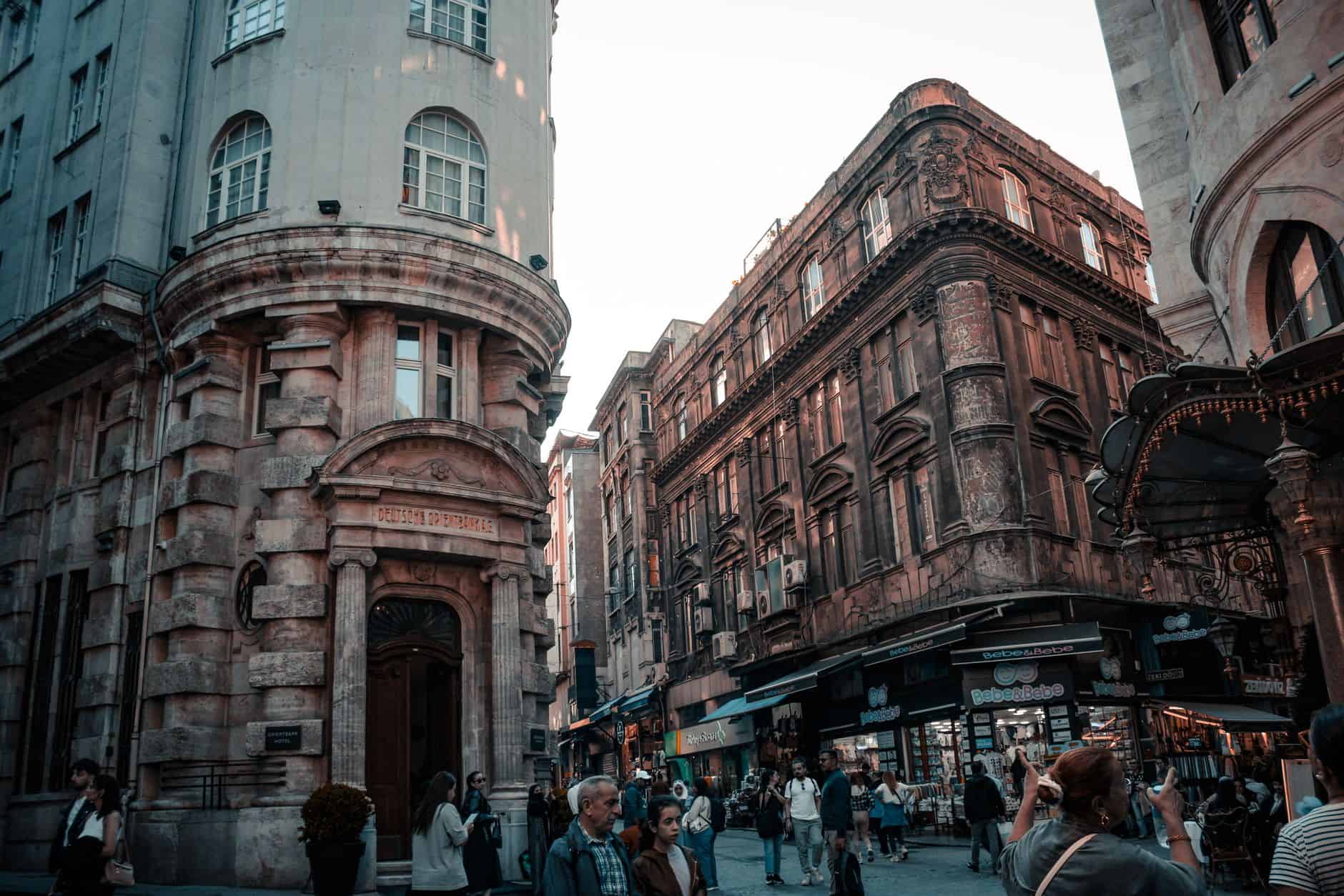
Photo by Fatih Üstünsoy on Pexels
Europe’s Tourist Scams Target Predictable Situations
Tourist scams in Europe rarely involve elaborate schemes. Most rely on you being unfamiliar with local prices, distracted in crowded areas, or uncertain about standard procedures. They happen in transportation hubs, popular attractions, restaurants, and streets where visitors concentrate. Recognizing the common patterns makes them easier to sidestep without letting anxiety or suspicion define your trip.
This guide covers the scams that affect travelers most frequently across European cities, how each one typically unfolds, and what to do if you encounter one.
Fake Taxi Meters and Unlicensed Drivers
Unlicensed taxi drivers and rigged meters are common at airports, train stations, and outside popular tourist sites. The driver may quote an inflated flat rate, claim the meter is broken, or run a tampered meter that advances faster than it should. Some drivers take unnecessarily long routes to increase the fare.
You can reduce this risk by using official taxi stands, pre-booking rides through verified apps, or confirming the approximate fare before getting in. In cities like Rome, Athens, and Prague, ask your hotel what a typical ride to the airport should cost. If the quoted price is significantly higher, find another taxi or use a rideshare service.
If you are already in the cab and notice the fare climbing unusually fast, ask the driver to stop and let you out in a safe, public location. Pay only what seems reasonable based on your research and leave calmly.
Overcharging at Restaurants and Hidden Fees
Some restaurants in tourist-heavy areas add charges that were not disclosed upfront. This includes inflated cover charges, per-person table fees, or unexpectedly expensive items like bread, water, or side dishes that appear without being ordered. In extreme cases, the bill includes items you did not consume.
Always ask to see a menu with printed prices before sitting down. If the restaurant resists showing a menu or provides one without prices, leave and choose another place. When your bill arrives, review it carefully. If you see charges you do not recognize, ask the server to explain each line item.
Cover charges and service fees are legal in many European countries, but they should be stated clearly on the menu or at the entrance. If a charge seems unreasonable or was not disclosed, you can refuse to pay it and request an itemized breakdown. In most cases, restaurants will adjust the bill rather than escalate.
Distraction Theft in Crowded Public Spaces
Pickpocketing often involves teams working together to distract you while another person takes your wallet, phone, or bag. Common tactics include someone spilling something on you, asking for directions while standing unusually close, or creating a commotion nearby. Children sometimes participate by surrounding tourists and using maps or cardboard to block your view while reaching into pockets or bags.
This happens most often on crowded public transportation, metro stations, popular squares, and lines for major attractions. Cities like Barcelona, Paris, and Rome see consistent reports of organized pickpocket groups.
Keep valuables in front pockets or a crossbody bag worn in front of you. If someone approaches you unexpectedly, step back and keep your hands on your belongings. Do not feel obligated to engage with strangers who invade your personal space or create unnecessary physical contact. If you notice a group of people behaving oddly around you, move away immediately.
Fake Petition Signature Scams
This scam involves someone approaching you with a clipboard and asking you to sign a petition, often framed as supporting a charity, disability rights, or a community cause. Once you start signing, an accomplice may pickpocket you, or the person with the clipboard will demand a cash donation after you have signed.
If someone asks you to sign a petition on the street, decline politely and keep walking. Legitimate organizations do not solicit signatures from tourists in public squares, and no real petition requires a cash payment. If you have already signed and are being pressured to pay, say no firmly and walk toward a crowded area or shop.
Street Games and Betting Scams
Games like the shell game, three-card monte, or cup-and-ball tricks are designed to look winnable. You will often see someone else win, which encourages you to play. The person winning is part of the setup. Once you put money down, you will lose, and the group may become aggressive if you try to walk away or complain.
Do not stop to watch or participate in street gambling. The games are never fair, and lingering makes you a target for pickpockets who work alongside the game operators. If you accidentally get involved, do not argue or try to recover money. Leave quickly and go to a public place with security or police nearby.
Fake Police Officers Asking for Your Wallet
In this scam, individuals posing as plainclothes police officers approach tourists and claim they are investigating counterfeit money or drug-related activity. They ask to see your wallet, passport, or credit cards under the pretense of checking for illegal currency. Once they have your belongings, they either steal cash or copy card information before returning your items.
Real police officers in most European countries will show official identification and will not ask to inspect your wallet or cash on the street. If someone claiming to be police asks for your belongings, request to see their badge and ID clearly. You can also ask to walk to the nearest police station to verify their identity. If they refuse or try to pressure you, walk away toward a public place and report the incident.
Currency Exchange Tricks and Poor Rates
Currency exchange offices in tourist areas often advertise attractive rates but apply hidden fees, unfavorable calculations, or commission charges that are not disclosed until after the transaction. Some exchange counters show one rate on the board and apply a different one at the register.
Avoid exchanging money at airports, tourist sites, or standalone exchange offices with aggressive advertising. Use ATMs from established banks instead, and decline dynamic currency conversion when paying with a card. That option converts your purchase to your home currency at a poor exchange rate. Always choose to pay in the local currency and let your bank handle the conversion.
Unofficial Tour Guides and Attraction Ticket Sellers
People posing as tour guides or ticket sellers approach tourists outside popular attractions and offer expedited entry, skip-the-line access, or discounted group tours. These offers are often overpriced, provide no real benefit, or lead to low-quality experiences. In some cases, the tickets are invalid or counterfeit.
Book tours and tickets in advance through official attraction websites or verified platforms. If you are approached by someone selling tickets on the street, decline and buy directly from the venue’s ticket office. Official guides working for museums or historical sites will have visible identification and will not solicit customers aggressively outside entrances.
Bracelet or Trinket Scams
In this scam, someone approaches you in a friendly manner and offers to tie a bracelet on your wrist, hand you a flower, or place an item in your hand. Once the item is in your possession, they demand payment, sometimes aggressively or with the help of others nearby. Refusing to pay may result in intimidation or public embarrassment.
Do not accept unsolicited items from strangers, even if they seem friendly or frame it as a gift or blessing. Keep your hands in your pockets or at your sides and say no clearly without stopping. If someone manages to tie something on you or hand you an object, return it immediately and walk away without engaging further.
Hotel and Accommodation Phishing
This scam occurs after you book accommodation online. Scammers send emails pretending to be from your hotel or rental host, claiming there is a problem with your reservation or payment. The email includes a link asking you to verify your booking or update payment details. The link leads to a fake website designed to steal your credit card or login information.
Always verify unexpected emails by contacting your hotel or accommodation directly through the phone number or website you originally used to book. Do not click links in unsolicited emails, even if they appear legitimate. Booking platforms like Booking.com and Airbnb will never ask for payment information via email.
What to Do if You Are Targeted
Stay calm and remove yourself from the situation as quickly as possible. Do not argue, do not try to recover money through confrontation, and do not feel embarrassed. Report the incident to local police if it involved theft or aggressive behavior, and contact your bank immediately if your cards or financial information were compromised.
Most scams succeed because tourists feel uncertain or pressured in unfamiliar environments. Knowing what to expect makes it easier to recognize trouble early and respond with confidence. Trust your instincts, keep your belongings secure, and do not feel obligated to engage with anyone who makes you uncomfortable.
Know What Is Normal Before You Arrive
Spend a few minutes researching typical taxi fares, tipping customs, and standard prices for your destination before you leave. Knowing what to expect makes you less vulnerable to inflated prices and bad advice. Download offline maps, save your accommodation address in your phone, and keep emergency contact numbers accessible. Small preparation removes most of the uncertainty that scammers rely on.

The World Is Full of Wonders. Go Find Them.



Your Daily Dose of Wonder.
Everyday a new quiz, tip or destination to inspire you. Challenge your friends and grow your knowledge.