The Schengen Visa: A Step-by-Step Guide for First-Time Applicants
Planning your first trip to Europe? Learn how to navigate the Schengen visa process from start to finish, including required documents, appointment booking, and what to do if your application gets denied.
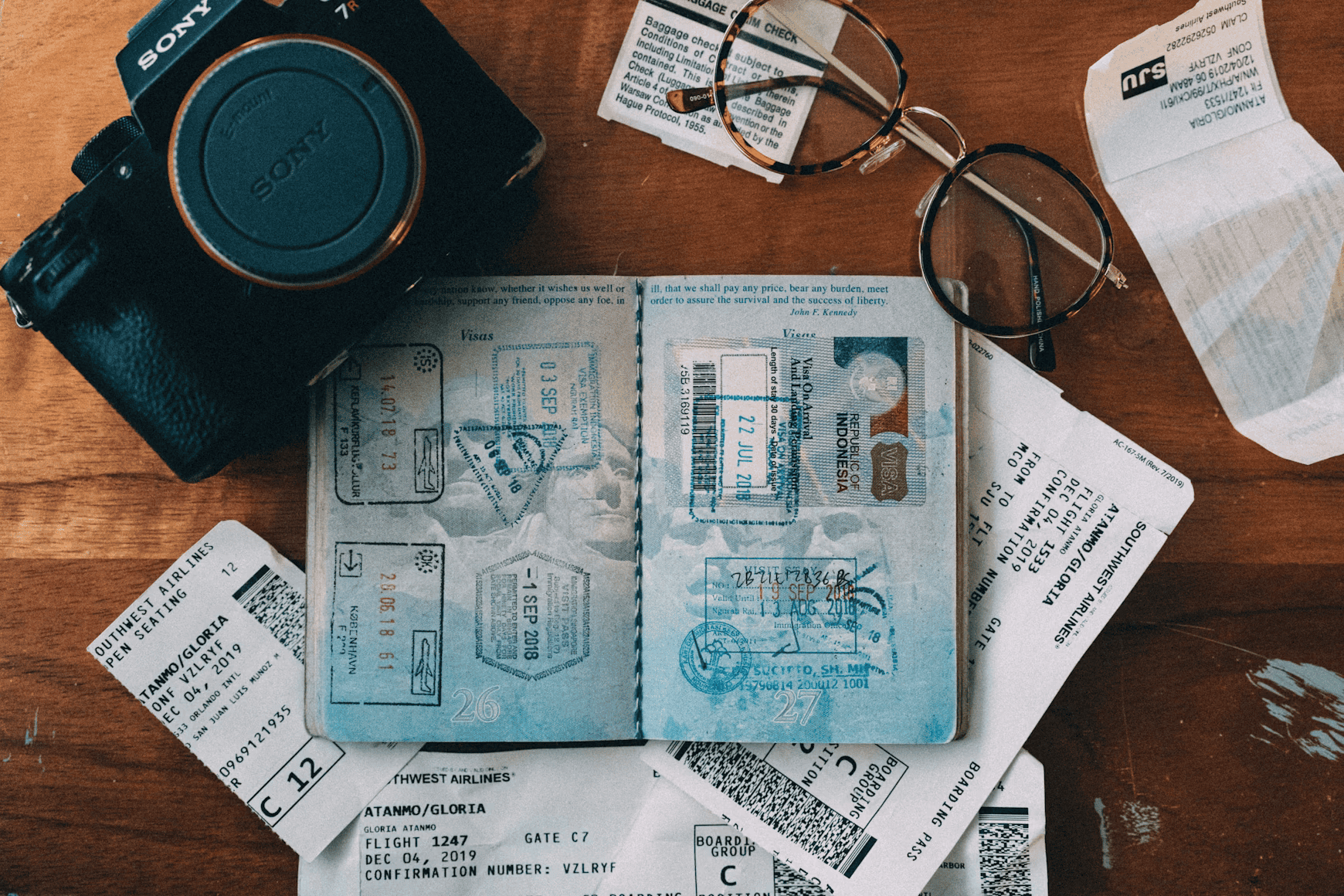
Passport, tickets, glasses, and camera for a travel adventure.
What You Need to Know Before You Apply
The Schengen visa allows you to travel across 27 European countries with a single entry document. If you’re planning a multi-country trip or visiting one nation within the Schengen Area, understanding the application process will save you time, money, and stress. This guide walks you through every requirement, from gathering documents to tracking approval.
Who Needs a Schengen Visa
Citizens of over 100 countries require a visa to enter the Schengen Area for tourism, business, or family visits. If you hold a passport from the United States, Canada, Australia, New Zealand, Japan, South Korea, or most European Union countries, you can enter visa-free for stays up to 90 days within a 180-day period.
Check the official website of the European Commission or your nearest consulate to confirm whether your nationality requires a visa. Requirements change, and some nations have bilateral agreements that affect entry rules.
Which Country to Apply Through
If you’re visiting only one Schengen country, apply through that country’s consulate or visa center. If you’re visiting multiple countries, apply through the consulate of your main destination, meaning the country where you’ll spend the most nights. If your trip splits time evenly between countries, apply through the consulate of your first point of entry.
This rule is firm. Applying through the wrong consulate can result in your application being rejected or returned without processing.
Required Documents
The Schengen visa application requires a specific set of documents. Missing or incomplete paperwork is one of the most common reasons for delays or denials.
You will need:
- A completed and signed Schengen visa application form
- A valid passport with at least two blank pages and validity extending three months beyond your intended departure from the Schengen Area
- Two recent passport-sized photos that meet Schengen photo requirements
- Proof of travel insurance covering at least 30,000 euros in medical expenses and valid across all Schengen countries
- Round-trip flight reservations showing your entry and exit dates
- Proof of accommodation for your entire stay, such as hotel bookings or a letter of invitation if staying with friends or family
- A detailed travel itinerary listing dates, cities, and planned activities
- Proof of financial means, such as recent bank statements, pay stubs, or a sponsorship letter if someone else is funding your trip
- Proof of employment or enrollment, such as a letter from your employer or school confirming your leave dates and intention to return
Some consulates require additional documents depending on your nationality, travel purpose, or personal situation. Verify the exact list with the consulate where you’ll apply.
How to Book an Appointment
Most Schengen consulates require you to book an appointment online through their official website or a contracted visa application center. Appointment availability varies widely. In some cities, you may book within a week. In others, especially during peak travel seasons, you may need to wait several weeks.
Book your appointment as soon as you’ve confirmed your travel dates. You can apply for a Schengen visa up to six months before your planned departure, but no later than 15 days before your trip.
What Happens at Your Appointment
At your appointment, you’ll submit your documents, pay the visa fee, and provide biometric data, which includes fingerprints and a digital photograph. If you’ve provided biometrics for a Schengen visa within the last 59 months, you may not need to provide them again.
The visa fee for a short-stay Schengen visa is 80 euros for adults and 40 euros for children aged six to 12. Children under six are exempt. Some nationalities benefit from reduced fees or exemptions based on bilateral agreements. Payment methods vary by consulate, so confirm accepted forms when booking your appointment.
The appointment typically lasts 15 to 30 minutes. Arrive on time with all documents organized and ready to present.
Processing Time and Tracking Your Application
The standard processing time is 15 calendar days from the date of your appointment. In some cases, processing can take up to 30 days, and in exceptional situations involving additional security checks or missing documentation, it can extend to 60 days.
You can track your application status online if your consulate or visa center offers tracking. Some applicants receive email or SMS updates. Others must check the portal manually using their reference number.
Do not book non-refundable flights or accommodation until your visa has been approved and you have your passport in hand.
What to Do If Your Application Is Denied
If your application is denied, the consulate will provide a written explanation. Common reasons include insufficient proof of financial means, unclear travel purpose, missing documents, or concerns that you may overstay.
You have the right to appeal the decision. The appeal process and timeline vary by country, and instructions will be included with your denial letter. In some cases, it may be faster to reapply with stronger supporting documents rather than pursue an appeal.
Understanding Your Visa Once Approved
Your Schengen visa will specify the number of entries allowed: single-entry, double-entry, or multiple-entry. It will also show the validity period and the number of days you’re permitted to stay within that period.
A typical short-stay visa allows you to remain in the Schengen Area for up to 90 days within a 180-day period. Your visa validity dates indicate the window during which you may enter and exit, not the dates you must be present.
Check your visa sticker carefully as soon as you receive your passport. If any information is incorrect, contact the consulate immediately.
Apply Early and Double-Check Everything
Apply for your Schengen visa at least one month before your planned departure, and longer if you’re applying during peak season. Verify every document against the official checklist from your consulate, and make copies of everything you submit. Small errors or missing forms can delay approval or result in rejection.

The World Is Full of Wonders. Go Find Them.




Your Daily Dose of Wonder.
Everyday a new quiz, tip or destination to inspire you. Challenge your friends and grow your knowledge.