What to Pack for Antarctica: Cold-Weather Gear That Actually Works
Packing the wrong gear for Antarctica can ruin your expedition. Here's how to build a layering system that keeps you warm, dry, and functional during zodiac landings and shore excursions in the world's harshest environment.
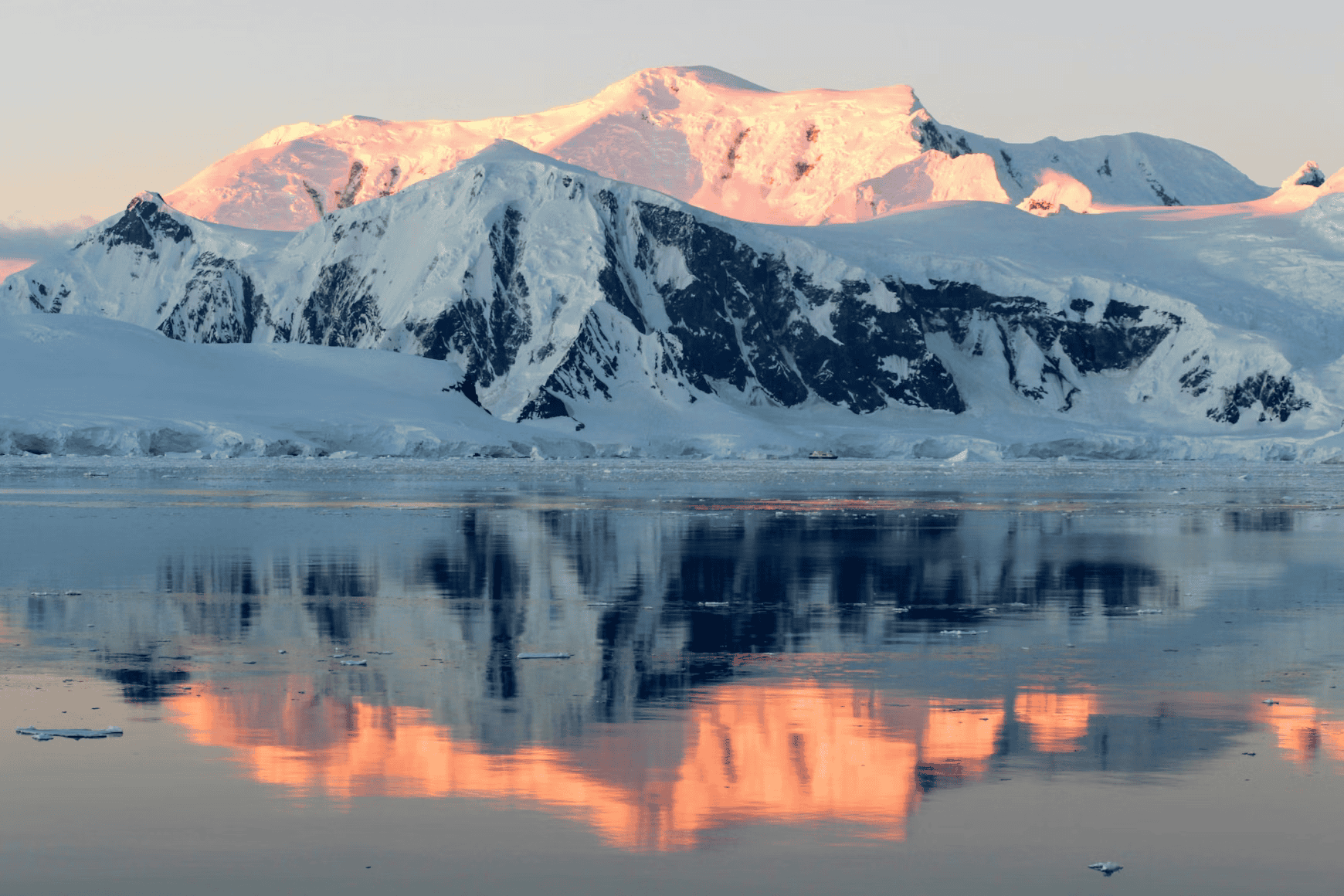
Explore stunning polar landscapes with snow-covered peaks and serene waters.
Preparing for Extreme Cold and Wind
Antarctica is the coldest, windiest, and driest continent on the planet. If you are traveling there on a cruise-based expedition, you will face temperatures ranging from 20°F to -4°F during the austral summer (November through March), with wind chill that makes it feel much colder. Your gear needs to keep you warm, dry, and functional during zodiac landings, shore excursions, and long stretches on deck. What you pack determines whether you enjoy the trip or spend it shivering and uncomfortable.
Build a Three-Layer System
Cold-weather travel in Antarctica requires a layering system, not a single heavy jacket. Layering lets you adjust to changing conditions and activity levels throughout the day.
Base layers: These sit against your skin and manage moisture. Choose merino wool or synthetic fabrics. Never cotton. Cotton traps sweat and loses all insulating ability when wet. Bring at least two sets so you can rotate and wash them. Smartwool and Icebreaker both make reliable base layer tops and bottoms.
Mid layers: These provide insulation. Fleece or down jackets work well. A lightweight fleece pullover is versatile for layering, and a down or synthetic insulated jacket adds warmth when temperatures drop. Patagonia’s Nano Puff and similar synthetic options retain warmth even if they get damp.
Outer layer: Your waterproof, windproof shell is your most important piece of gear. Antarctica’s wind can turn a tolerable day into a brutal one in minutes. Look for a jacket with a hood, adjustable cuffs, and a high collar. Many expedition cruise operators provide a parka, but confirm this before you book. If you need to bring your own, invest in quality. Arc’teryx, The North Face, and Outdoor Research all make expedition-grade shells.
Waterproof Pants Over Insulated Ski Pants
You need waterproof pants for zodiac landings and shore excursions. Insulated ski pants are too warm for active movement and not waterproof enough for wet conditions. Instead, bring waterproof rain pants or dedicated expedition pants that you can layer over thermal leggings or fleece pants.
Your base layer bottoms should be thermal leggings. Add a fleece pant layer underneath your waterproof shell pants if needed. This system is more versatile than a single heavy insulated pant.
Two Pairs of Gloves Are Essential
Your hands will be exposed to wind, cold, and water during zodiac rides and landings. Bring two types of gloves.
Liner gloves: Thin, touchscreen-compatible gloves that let you operate your camera and phone without exposing your skin. Merino wool or synthetic options work well.
Insulated waterproof gloves or mittens: These are your primary hand protection. Mittens are warmer than gloves because your fingers share heat, but gloves offer more dexterity for photography and adjusting gear. Look for gloves with a waterproof outer shell and warm insulation. If possible, choose mittens with a separate trigger finger for camera use.
Attach glove leashes to your jacket so you do not lose them during excursions.
Protect Your Head, Neck, and Eyes
You lose a significant amount of body heat through your head and neck. Bring a warm wool or fleece beanie that covers your ears. A neck gaiter or balaclava is essential for protecting your face from wind. Buff and similar brands make lightweight, versatile options that pack small.
Sunglasses are mandatory. Antarctica’s snow and ice reflect intense UV light, and you can develop snow blindness without proper eye protection. Bring polarized sunglasses with full UV protection and side shields or wraparound coverage. Bring a backup pair in case you lose or damage the first.
Waterproof, Insulated Boots
Many expedition cruises provide muck boots for landings, which are fully waterproof and adequate for walking on ice and wet ground. Check with your operator before you buy expensive boots.
If you need to bring your own, choose insulated, waterproof boots rated for cold weather. Look for boots with a thick sole for traction on ice and a gusseted tongue to keep water out. Avoid fashion boots or hiking boots that are not fully waterproof. Muck Boot, Sorel, and Baffin all make boots designed for extreme cold.
Bring thick wool socks and pack extra pairs. Darn Tough and Smartwool both make durable, warm options.
Small Essentials That Make a Difference
Bring a small waterproof dry bag to protect your camera, phone, and other electronics during zodiac landings. Even if your gear is weather-sealed, salt water and spray can damage equipment.
Disposable hand warmers are lightweight and useful for long excursions. Tuck them into gloves or pockets when temperatures drop or wind picks up.
Sunscreen and lip balm with SPF are essential. Antarctica’s sun is strong, and the combination of altitude, reflection, and thin ozone layer increases UV exposure. Apply sunscreen to your face, neck, and any exposed skin every morning, and reapply during the day. Bring a high SPF, broad-spectrum sunscreen and a lip balm that does not dry out in cold air.
Skip These Common Mistakes
Do not bring cotton clothing. Cotton absorbs moisture and loses its insulating ability when wet, which can lead to dangerous heat loss in cold conditions.
Skip heavy, bulky items that do not layer well. One properly insulated jacket is better than three mediocre ones.
Do not rely on your everyday winter coat unless it is genuinely expedition-grade and waterproof. Antarctica is not a typical winter destination, and standard winter gear designed for commuting or casual use will not perform in these conditions.
Wear Everything Before You Leave
Antarctica is not the place to discover that your gloves are not waterproof or your base layers chafe. Wear your gear on a cold, windy day before your trip. Test your layering system, make sure your boots are broken in, and confirm that your camera works with gloves on. You cannot buy forgotten items once you are on the ship.

The World Is Full of Wonders. Go Find Them.


Your Daily Dose of Wonder.
Everyday a new quiz, tip or destination to inspire you. Challenge your friends and grow your knowledge.