Where to Stay in Costa Rica Depending on the Vacation You Want
Find the best Costa Rican region for your trip, whether you want beaches, wildlife, adventure, wellness, romance, or family-friendly activities.
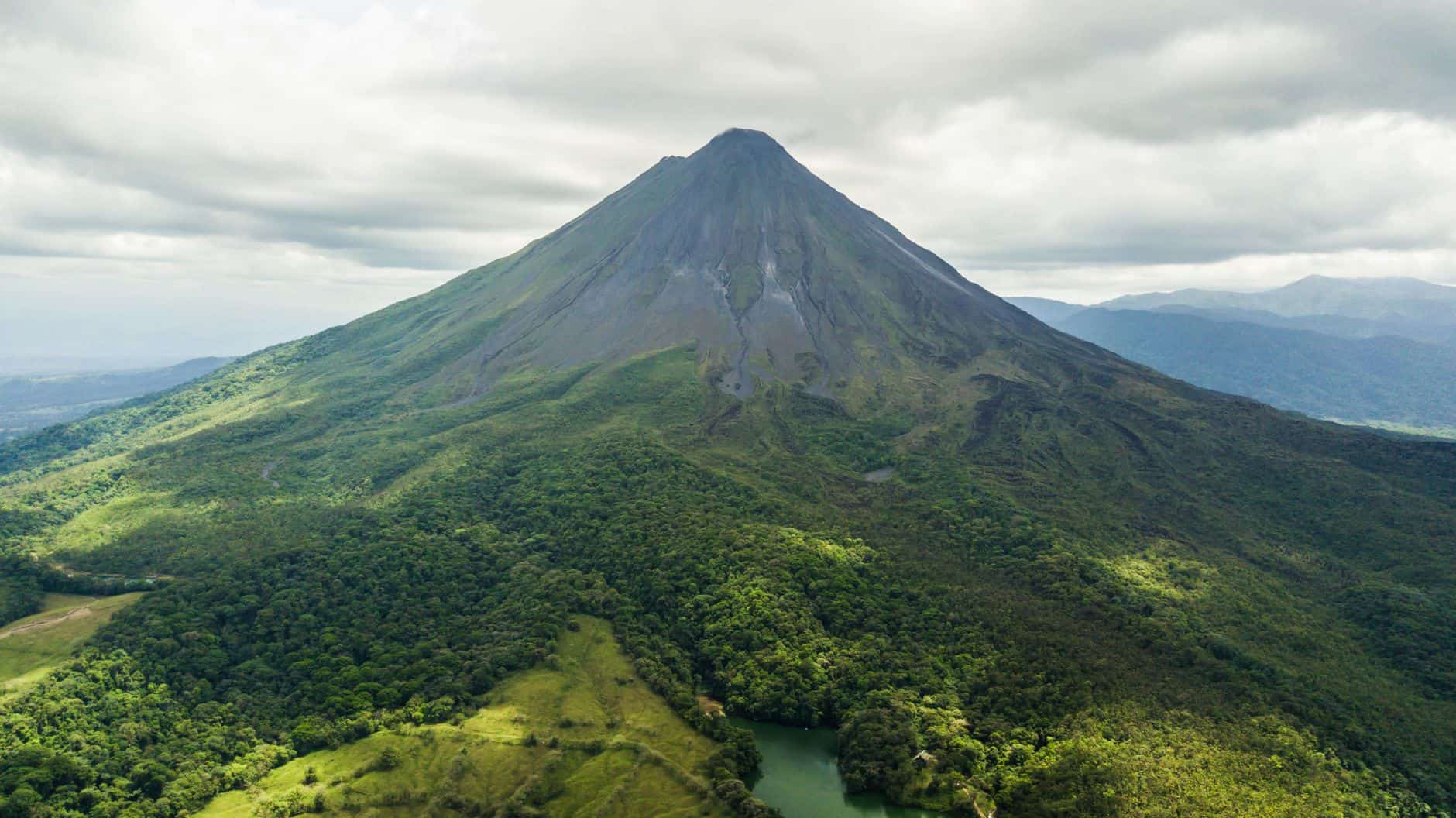
Photo by Diego Madrigal on Pexels
Choosing Your Costa Rica Base
Costa Rica packs an unusual amount of variety into a small country. You can watch sea turtles nest on the Caribbean coast, hike active volcanoes in the highlands, surf Pacific breaks, and spot sloths in the rainforest, often within a few hours of each other. Where you stay in Costa Rica determines which experiences come easily and which require extra travel time. The country’s accommodation options range from beachfront surf lodges to cloud forest wellness retreats, and matching your stay to your vacation priorities makes a real difference in how much you enjoy the trip.
This guide breaks down where to stay based on the kind of vacation you want, what each region offers, and which properties represent that experience well.
Beach Vacation: Guanacaste Province and the Papagayo Peninsula
If you want easy beach access, warm water, and resort amenities, Guanacaste delivers. The northwest Pacific coast stays dry during Costa Rica’s rainy season, making it the most reliable choice for a traditional beach vacation. The beaches here are wide, the water is calm enough for families, and the hotel infrastructure is strong.
The Papagayo Peninsula is home to some of Costa Rica’s most polished resorts, including the Four Seasons Resort Costa Rica at Peninsula Papagayo. The property sits on a hillside overlooking two beaches and offers multiple pools, a golf course, and a kids’ club. It’s expensive, starting around $600 per night in high season, but it delivers the full-service resort experience travelers expect from the Four Seasons brand.
For something more accessible, Tamarindo offers mid-range beachfront hotels, surf schools, and a laid-back beach town atmosphere. It’s busier and more developed than other coastal towns, but that also means better restaurant options and easier logistics. Expect to pay $150 to $300 per night for a comfortable hotel near the beach.
Guanacaste is the easiest region to reach, with direct flights into Liberia’s international airport. The trade-off is that it feels more tourist-oriented than other parts of the country. If you want a straightforward beach vacation without much planning, this is where to stay in Costa Rica.
Wildlife and Rainforest: Osa Peninsula and Tortuguero
Costa Rica is known for wildlife, but not all regions offer equal access. The Osa Peninsula in the south is considered one of the most biodiverse places on the planet. Corcovado National Park protects primary rainforest where you can see scarlet macaws, tapirs, jaguars, and all four of Costa Rica’s monkey species. Lodges here are remote, often accessible only by boat or small plane, and the experience leans heavily toward immersion in nature.
Lapa Rios Lodge sits on a private rainforest reserve overlooking the Pacific. The 17 bungalows are open-air, luxurious in a rustic way, and designed to bring you closer to the environment. Rates start around $700 per night and include meals and guided hikes. It’s one of the most respected ecolodges in the country, but it’s not for travelers who want air conditioning, televisions, or easy access to towns.
Tortuguero, on the Caribbean coast, offers a different kind of wildlife experience. The canals that wind through the rainforest are best explored by boat, and the main attraction is sea turtle nesting, which peaks between July and October. Tortuga Lodge and Gardens is a comfortable base, with 27 rooms, a pool, and guided canal tours included. Rates run $400 to $500 per night with meals. Tortuguero has no roads, so you’ll arrive by boat or plane, and the isolation is part of the appeal.
Both regions require more effort to reach and cost more than other parts of Costa Rica, but they offer the country’s best wildlife viewing. If that’s your priority, the Osa Peninsula and Tortuguero are where to stay in Costa Rica.
Adventure Activities: La Fortuna and Arenal Volcano
La Fortuna is Costa Rica’s adventure hub. The town sits at the base of Arenal Volcano, and the surrounding area offers white-water rafting, zip-lining, waterfall hikes, hot springs, and canyoning. It’s well set up for active travelers who want to pack in multiple activities without spending hours in transit.
Nayara Springs is a high-end option with private plunge pools fed by natural hot springs in every villa. The property is lush, romantic, and well-maintained, with rates starting around $800 per night. It’s popular with honeymooners, but the location also works for adventurous couples who want a comfortable home base.
Tabacón Thermal Resort and Spa offers direct access to natural hot springs that flow through landscaped grounds. Rooms start around $400 per night, and day passes are available if you’re staying elsewhere. The hot springs are the main draw, but the property also arranges tours to nearby waterfalls, hanging bridges, and the volcano.
For budget-conscious travelers, La Fortuna has dozens of mid-range hotels and hostels within walking distance of tour operators. Expect to pay $80 to $150 per night for a clean, simple room. The town itself is practical rather than charming, but it’s the most convenient base for adventure activities in Costa Rica.
Wellness and Relaxation: Southern Nicoya Peninsula
The southern Nicoya Peninsula, including towns like Santa Teresa, Mal Pais, and Montezuma, attracts yoga retreats, surfers, and travelers looking for a slower pace. The beaches are beautiful, the vibe is laid-back, and the wellness infrastructure is strong. The roads are rough, and the area feels more remote than Guanacaste, but that’s part of the appeal.
Nantipa, A Tico Beach Experience, is a boutique hotel in Santa Teresa with 15 suites, a beachfront pool, and a focus on wellness and sustainability. Rates start around $350 per night. The property offers yoga classes, spa treatments, and easy access to surf breaks. It’s polished but not overly formal, and it strikes a good balance between comfort and the relaxed beach culture of the area.
Florblanca Resort, also in Santa Teresa, is a more upscale option with larger villas, a full spa, and direct beach access. Rates start around $600 per night. The property is known for its yoga program, farm-to-table dining, and quiet atmosphere. It’s ideal for travelers who want wellness-focused amenities without the structure of a formal retreat.
The southern Nicoya Peninsula requires either a long drive on unpaved roads or a short domestic flight from San José. If you want a quieter beach experience with a wellness focus, this is where to stay in Costa Rica.
Romance and Seclusion: Manuel Antonio and the Central Pacific Coast
Manuel Antonio National Park is one of Costa Rica’s most visited parks, but the hills surrounding the park entrance are home to adults-only boutique hotels with ocean views and jungle settings. The combination of privacy, accessibility, and natural beauty makes this area popular with couples.
Tulemar Bungalows and Villas offers a range of accommodations, from one-bedroom bungalows to multi-bedroom villas, all set on a hillside with ocean views. The property has three private beaches, multiple pools, and a spa. Rates start around $400 per night. It’s family-friendly, but the layout allows for privacy, and the setting feels secluded despite being close to the park.
Si Como No Resort is an eco-friendly property with two pools, a movie theater, and a relaxed vibe. It welcomes families but also attracts couples looking for a comfortable, mid-range option. Rates start around $300 per night, and the location is a short drive from the park entrance.
Manuel Antonio is easy to reach by car from San José, about three hours on paved roads. The area has good restaurants, tour operators, and beach access, making it one of the most balanced destinations in the country. If you want romance without total isolation, this is a strong choice.
Family Travel: Guanacaste Beach Towns and Arenal
Costa Rica is a manageable destination for families, but ease of access and kid-friendly amenities vary by region. Guanacaste beach towns like Tamarindo and Playa Conchal offer calm water, easy logistics, and resorts with kids’ clubs. The JW Marriott Guanacaste Resort and Spa in Playa Conchal has a large pool complex, multiple restaurants, and organized activities for children. Rates start around $500 per night.
Arenal is another strong choice for families. The adventure activities are accessible for older kids, and many hotels offer family suites and child-friendly amenities. Arenal Springs Resort and Spa has thermal pools, a water slide, and family rooms starting around $250 per night. The town of La Fortuna has tour operators experienced in working with children, and the activities are varied enough to keep different ages engaged.
Both regions are easier to navigate than remote areas like the Osa Peninsula or Tortuguero, and they offer the mix of adventure and downtime that works well for family travel.
Lower-Key Nature Trips: Monteverde Cloud Forest
Monteverde is quieter and cooler than the beach regions, with cloud forest hikes, hanging bridges, and opportunities to see quetzals and other highland birds. The area attracts nature lovers who prefer hiking to lounging on the beach. The roads into Monteverde are rough, but the region is well established and easy to explore once you arrive.
Monteverde Lodge and Gardens is a comfortable eco-lodge with 28 rooms, guided hikes, and a focus on birdwatching. Rates start around $200 per night with breakfast. The property is simple but well-run, and the guides are knowledgeable. It’s a good fit for travelers who want a nature-focused experience without the remoteness or cost of the Osa Peninsula.
Monteverde works well as part of a longer itinerary that combines highland and coastal experiences. It’s cooler and often misty, so pack layers and expect a different climate than the beach regions.
Plan Around Your Priorities
Costa Rica rewards travelers who choose their base carefully. If you want multiple experiences, plan to move between regions rather than trying to cover everything from one hotel. Most itineraries work best with two or three stops, allowing time to settle in without spending too much time in transit. Book accommodations early during high season, especially in Guanacaste and Manuel Antonio, where the best properties fill quickly.

The World Is Full of Wonders. Go Find Them.



Your Daily Dose of Wonder.
Everyday a new quiz, tip or destination to inspire you. Challenge your friends and grow your knowledge.